Custom Uniform Manufacturing
School Uniform Manufacturer
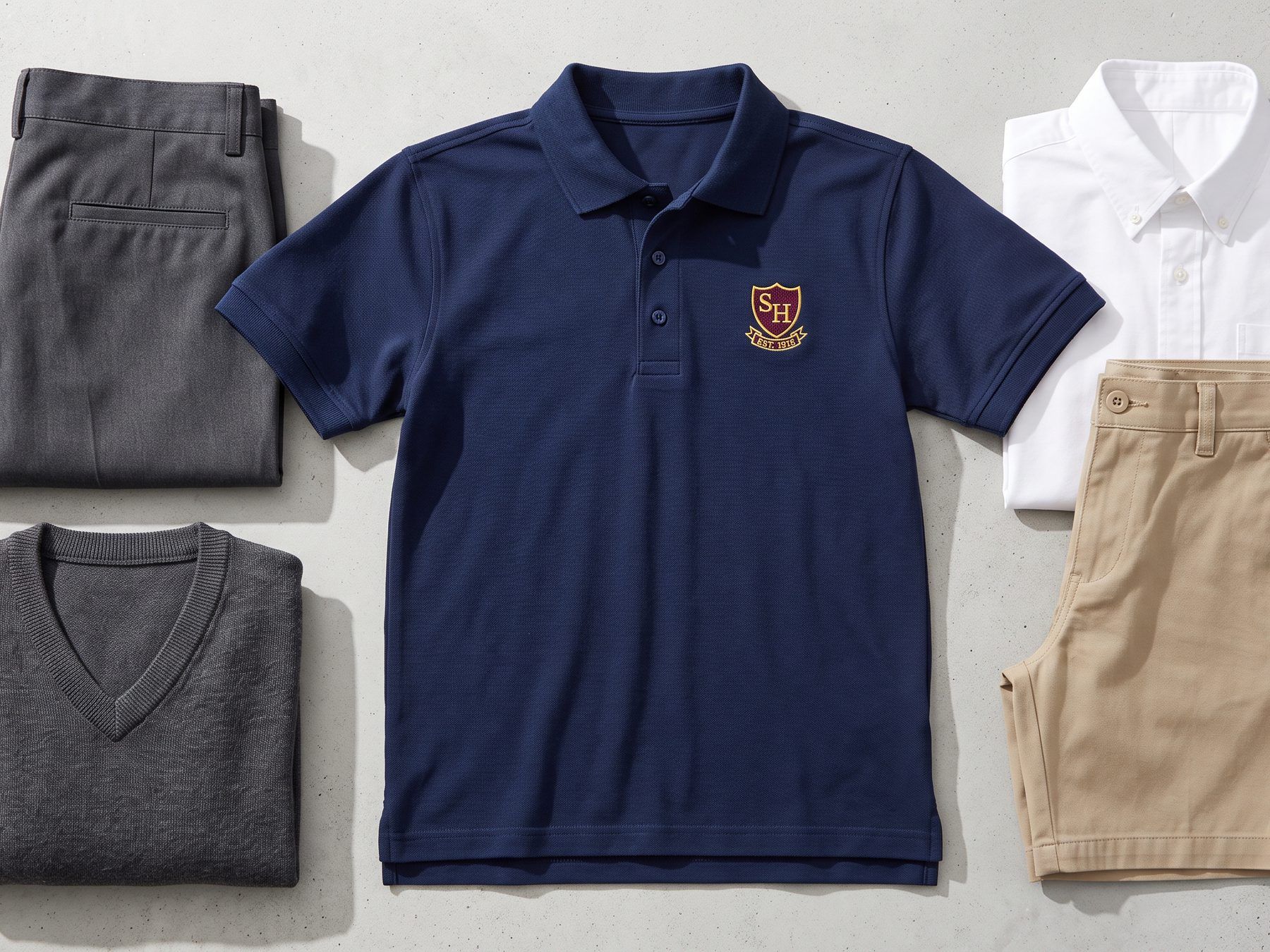
We manufacture school uniform ranges for schools, school groups and uniform distributors: crested polos and shirts, trousers and skirts, sweatshirts and sweaters, sized from children's 4 up to adult XL. Ranges are developed once, sealed on samples, and re-run every year against the same colour and crest standard.
| Facts at a glance | Spec. summary |
|---|---|
| Industries | Education |
| Size range | Children's 4–16 and adult XS–XL |
| Fabrics | Piqué · Poplin · Polycotton Twill · Gabardine |
| MOQ | Minimum order starts at 100 pcs per style; exact MOQ is quoted per project. |
| Branding | School crest embroidery digitised once and reused across every garment and every year · Woven main label with the school or distributor name at the neck · Printed size label and a write-in name label inside the neck |
| Factory | Dongguan Hualingniao Apparel Co., Ltd., est. 2006, Humen Town, Dongguan, Guangdong, China |
| Quality | In-line checks plus a final random inspection against the sealed sample (AQL-style sampling) |
| Not offered | We do not manufacture certified protective clothing: no EN ISO 20471 high-visibility, flame-retardant, arc-flash or other PPE-rated garments. |
Which garments make up a school uniform range?
A school range covers pupils from four years old to sixth-formers who are adult-sized, and the difficulty of the category comes almost entirely from that. We develop the range as a set, so the crest, the colour and the size run are consistent across every garment.
- Crested piqué polos, the highest-volume item in most ranges
- Poplin shirts and blouses, long and short sleeve
- Gabardine trousers with an adjustable inner waistband, and pleated or A-line skirts
- Fleece sweatshirts, cardigans and knitwear from sourced knit
Teaching and support staff are dressed from the same standard using our polo shirts in adult sizes.
Which fabrics survive a parent’s hot wash?
Parents wash school uniform hot and often, so shrinkage and colour retention decide the fabric. A school green on a piqué polo, a poplin shirt, a twill trouser and a fleece sweatshirt is four dye jobs on four fibre mixes, and they only match if they are lab-dipped to one standard and approved together.
- Polycotton piqué for polos, wash-tested and cut with a shrinkage allowance
- Polycotton poplin for shirts that stay bright in white and pale blue
- Washable polyester gabardine for trousers, skirts and blazers that keep their crease
- Anti-pill fleece for sweatshirts
The gabardine and piqué guides explain how each behaves in a home wash.
Which waistband, hem and safety details are non-negotiable?
Adjustable inner waistbands cost more than a plain waistband but reduce the sizes a shop has to stock. Safety details on children’s garments are not optional and are checked at final inspection.
- Adjustable inner waistband on trousers and skirts
- Hems finished, or left with allowance for growth
- No drawcords at the neck, nickel-free hardware, buttons attached to survive a pull test
- Children’s and adult bodies graded from separate blocks rather than one scaled down
A polo that runs from children’s 4 to adult XL is thirteen or more sizes; see size grading for how children’s ranges are set up.
How is a school crest digitised and embroidered?
A school crest often has fine lettering and small details drawn for a letterhead, not for a needle. We simplify it with your approval, digitise it once, and run a stitch-out on piqué, poplin and fleece separately because each takes embroidery differently.
- Crest on the left chest of polos, shirts and sweatshirts, on the breast of blazers
- Two or three crest sizes across the size run
- School name or house colour on the collar or sleeve on request
- Labels for the school, the distributor’s shop or online sale, decided at sampling
Digitising and placement are described on logo embroidery and printing.
What are the MOQ and lead time before the new term?
Sample cost, sample time and production lead time depend on the range and the back-to-school date, and are confirmed in the quotation. Minimums typically start at 100 pcs per style, with the exact figure set per project.
- Fit samples in a child’s size and an adult size for each garment
- Laundered size set to record shrinkage before cutting
- Sealed pre-production sample per garment with the approved crest
- In-year top-ups of one garment in a few sizes cut to the same standard as the main run
The stages are on sample development.
What do we check before a school range ships?
Colour mismatch across the range and a crest that reads differently on polo and blazer are the faults parents notice on the playground.
- Fabric: all cloths lab-dipped to one standard, checked side by side, swatches retained for next year
- Sewing: waistband adjusters, button attachment and hardware checked in-line
- Measurement: every size measured after washing against the chart
- Finishing: crest placement and size checked with a template, safety points and labels verified at final inspection
The full sequence is on quality control.
How do you set up a school uniform programme for the year?
Send the crest as a vector file and the school colours as Pantone references or physical swatches. List the garments in the range and the age bands each covers, and say whether the range is sold by the school, a distributor’s shop or online.
- Crest file and colour references
- Garment list with age bands and last year’s sales by size
- Waistband and hem policy
- Term dates and delivery deadline
School-specific questions are answered in our FAQ. Request a quote and we will reply with fabric options, a sample plan and pricing.
§ 02Available Styles
School Uniforms we develop
| No. | Style | Description |
|---|---|---|
| 01 | Crested polo shirt | Piqué polo with an embroidered crest on the left chest. The highest-volume item in most school ranges and the one re-ordered every term. |
| 02 | School shirt and blouse | Poplin shirt in long and short sleeve, with a boys' and a girls' block for older pupils and a unisex block for the youngest. |
| 03 | Trousers and shorts | Polycotton twill or gabardine trousers with an adjustable inner waist on children's sizes and a standard waistband on adult sizes. |
| 04 | Skirts and pinafores | Pleated, A-line or box-pleat skirts and pinafores in the trouser fabric, with an adjustable waist on smaller sizes. |
| 05 | Sweatshirt and sweater | Fleece-backed sweatshirt or fine-gauge knit V-neck with the crest embroidered on the chest. Sourced knit, sewn and finished here. |
| 06 | Sports polo and shorts | Polyester jersey polo and shorts in house colours for PE, with a printed or embroidered crest. |
§ 03Construction
Details worth specifying
Confirm these on the sample. Each one changes how the finished garment reads.
- Adjustable inner waistband with elastic and buttons on children's trousers and skirts
- Reinforced knees on younger children's trousers where the school asks for it
- Taped shoulder and neck seams on polos and sweatshirts so they survive the wash
- Pleats on skirts heat-set and topstitched at the top so they hold after washing
- Flat-felled side seams on shirts; two-piece collar on older pupils' shirts
- Hem allowance on trousers and skirts so parents or shops can adjust length
- Nickel-free hardware and no drawcords at the neck on children's garments
Related Fabrics
Fabric options for school uniforms
Fabric decides how the uniform looks after a year of washing. Compare the realistic options before sampling.
Piqué
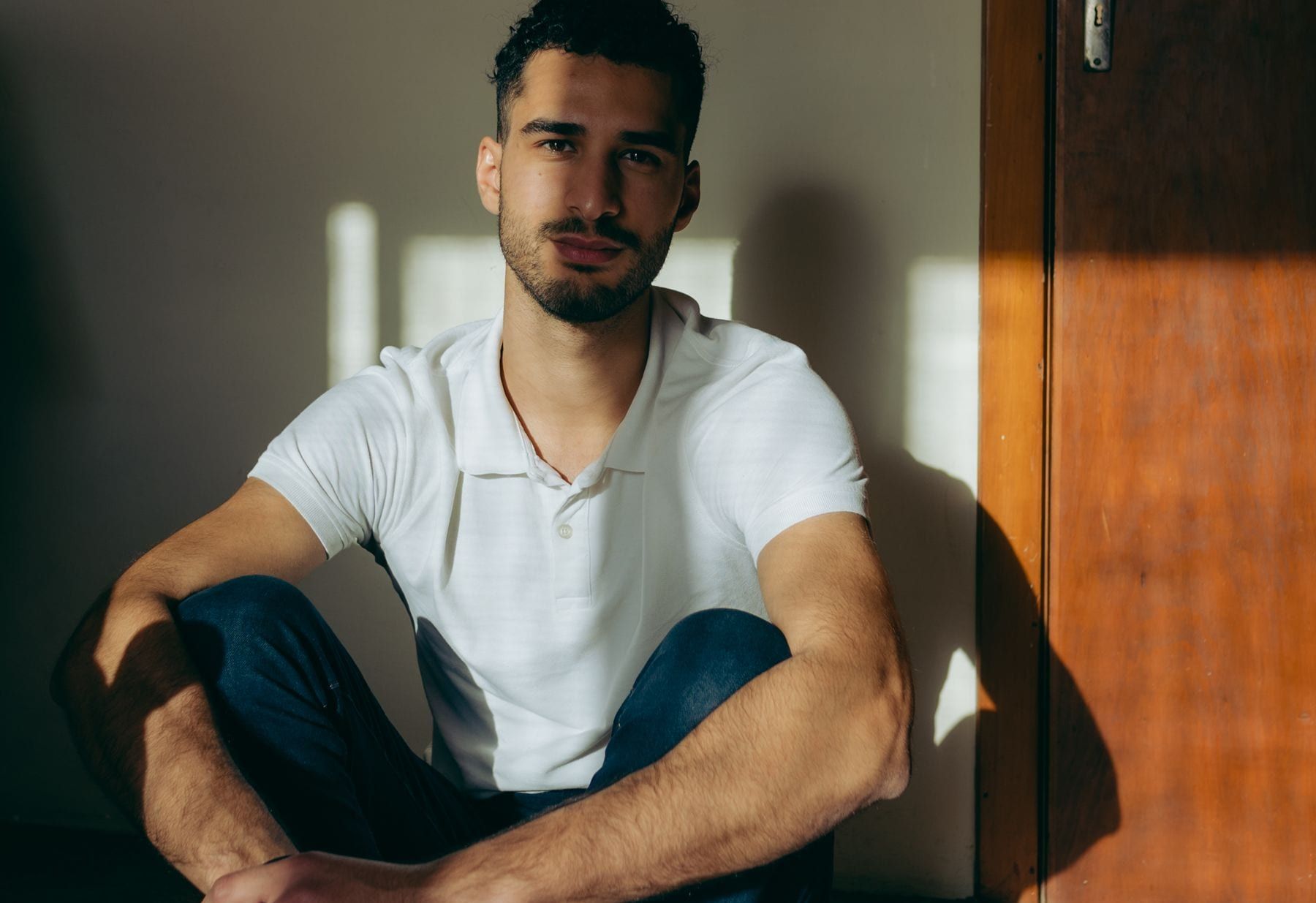
The textured knit behind most uniform polo shirts — breathable, forgiving of wear and a natural base for an embroidered logo.
Poplin
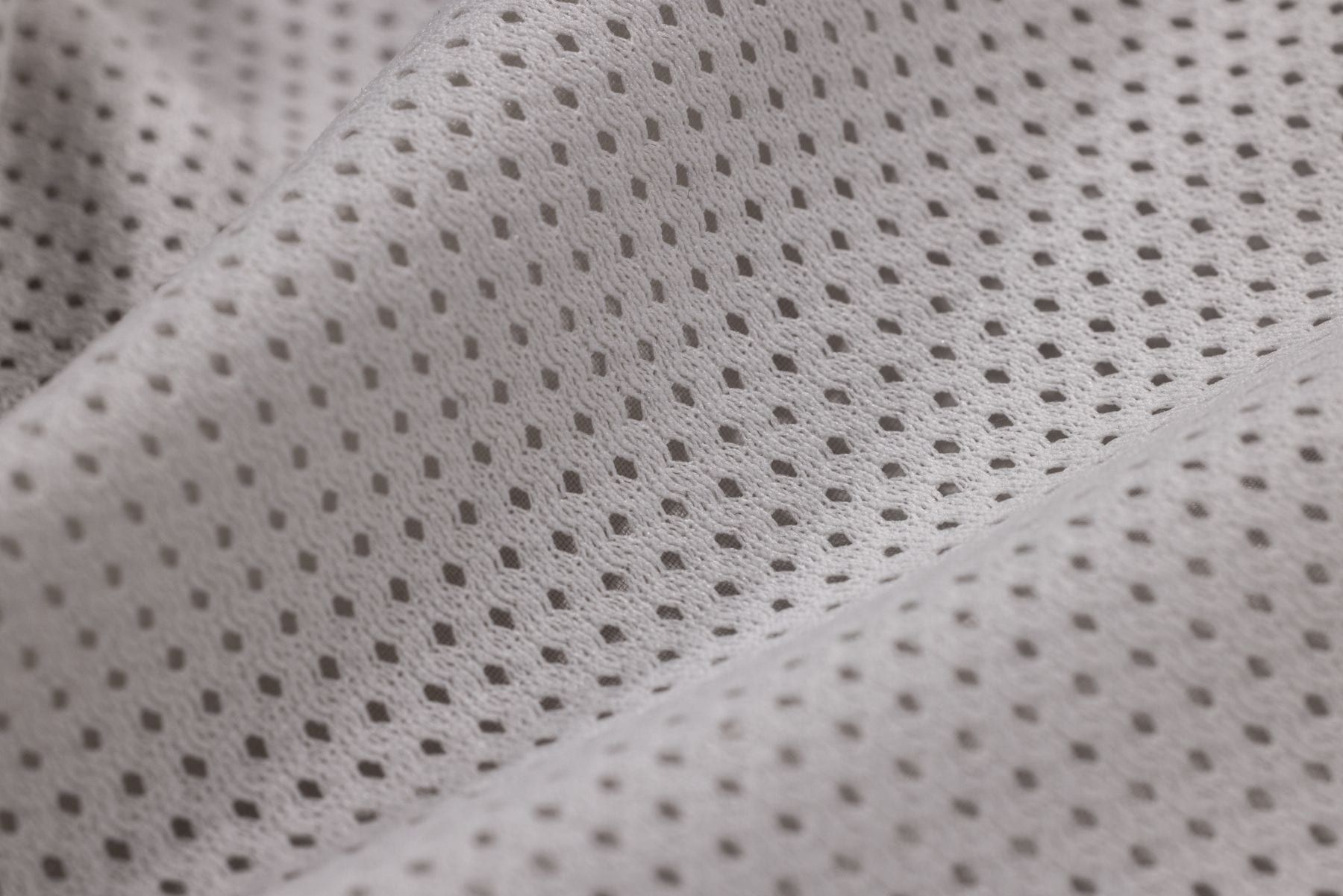
A smooth, fine plain weave for corporate, hospitality and front-of-house shirts where a crisp, clean appearance matters most.
Polycotton Twill
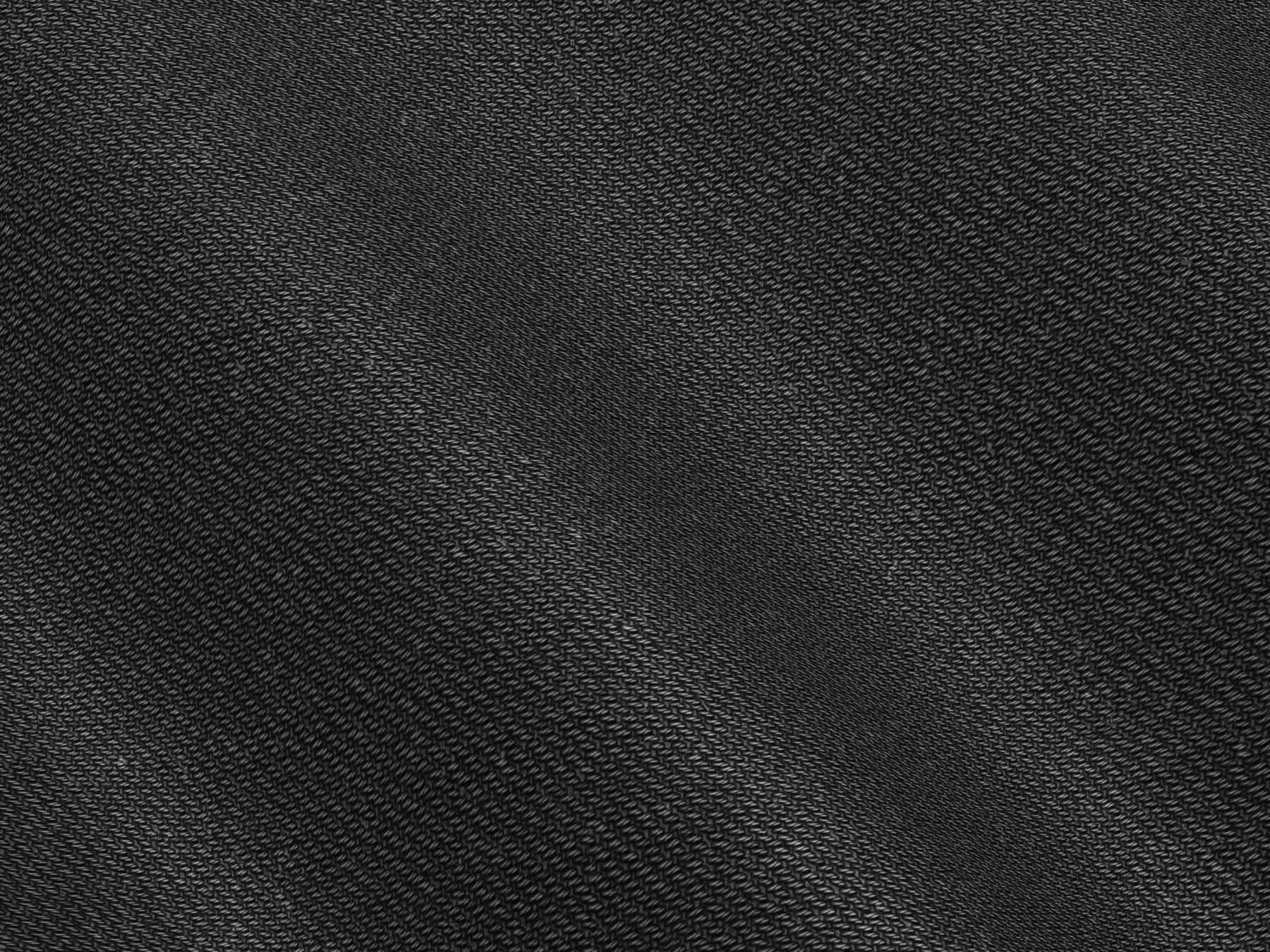
The default workwear cloth — a polyester/cotton diagonal weave that balances abrasion resistance, colour retention and easy care.
Gabardine
A tightly woven, smooth-faced twill for tailored school and corporate trousers, skirts and blazers that need to hold a crease and a clean line.
§ 04Customization
What you can change
- School colours to Pantone or a physical swatch, with lab dips across every fabric in the range
- Fabric per garment from piqué, poplin, polycotton twill, gabardine and fleece
- Crest embroidered or, for sports kit, printed
- Contrast collar tipping, piping or stripe in house colours
- Boys', girls' and unisex blocks by age band
- Long and short sleeve versions of polos and shirts
- Optional name label space printed inside the neck
§ 05Logo & Branding
Your logo, your labels
- School crest embroidery digitised once and reused across every garment and every year
- Woven main label with the school or distributor name at the neck
- Printed size label and a write-in name label inside the neck
- Care label matched to the fabric
- Retail hang tag and polybag with the distributor's branding if sold through a shop
§ 06Sampling
From brief to sealed sample
- Sampling starts from your current uniform, the school's brief, or our school blocks
- Crest stitch-out approved on each fabric it will be embroidered on
- Lab dips approved for every colour on every fabric in the range
- Fit samples in two or three sizes across the age range for the school to review
- Sealed samples retained here per garment as the reference for every annual run
§ 07Quality Control
What gets checked
- Colour checked across polos, shirts, trousers and knitwear under one light source
- Crest position and stitch quality checked against the sealed sample per lot
- Children's garments checked for loose buttons, sharp hardware and neck cords
- Measurement audit per size across the children's run and the adult run
- AQL inspection before packing by size and garment
Minimum Order QuantityMOQ
Minimum order starts at 100 pcs per style; exact MOQ is quoted per project. A stock-colour polo and a custom-dyed twill in three department colours are not the same commitment, so the exact minimum for your programme is confirmed in the quotation rather than published as one number.
§ 08Manufacturing Process
How a school uniforms order runs
The stages your order passes through, in order. Each one has its own page.
01
Logo Embroidery & Printing
Logo embroidery, screen print, heat transfer and DTF for uniforms. Digitising, stitch count, placement standards and per-employee name embroidery explained.
Read →
02
Size Grading
Size grading for uniforms from XS to 5XL, separate men's and women's grades, children's 4-16 for schools, and how to plan a size ratio from an employee list.
Read →
03
Private Label Uniforms
Private label uniform manufacturing from Dongguan. Your logo, labels and thread colour applied consistently across shirts, polos and jackets.
Read →
04
Labels, Name Badges & Packaging
Size labels, care labels, woven brand labels, name badges and department tags for uniforms, plus per-employee polybags and cartons packed by location.
Read →
05
Bulk Production
Bulk uniform production: cut plan by size ratio, fabric colour continuity, in-line checks and re-orders for new starters against retained patterns.
Read →
§ 09By Buyer Situation
Specialised school uniforms programmes
The same factory and the same sealed-sample standard, scoped to one buyer situation at a time.
- Wholesale School Uniform SuppliersFor distributors and retailers comparing wholesale school uniform suppliers behind an own-label range.
- Custom & Personalised School Polo ShirtsFor schools, shops and distributors buying custom or personalised crested polo shirts in volume.
- School Uniform Manufacturer (OEM & Private Label)For brands with their own designs to produce (OEM) and distributors or retailers building an own-label line (private label).
- International School Uniforms for Multi-Campus GroupsFor international schools and school groups dressing several campuses to one colour and crest standard.
- Kindergarten Uniforms with Safety Details and Easy DressingFor preschools and kindergartens needing small sizes, safe trims and easy-on garments.
- Primary School Uniforms Graded for Growth and Daily WearFor primary and elementary schools that need hard-wearing, adjustable everyday uniform.
- Secondary School Uniforms with a Smarter, Tailored LineFor secondary and high schools moving pupils into smarter shirts, trousers and blazers.
- School PE Kit SupplierFor schools and kit suppliers looking for a PE kit supplier able to run house colourways.
- School Sweatshirts and Crested Knitwear as a Re-Order StapleFor schools and retailers re-ordering crested sweatshirts and knitwear every term.
- School Trousers, Skirts & Pinafores as a Bulk ProgrammeFor buyers sourcing trousers, skirts and pinafores in volume across the full school size run.
- Crested School Blazers Made to OrderFor schools adding a crested blazer, and distributors stocking one.
- School Uniform Size Chart & GradingFor buyers planning children's size runs, size charts and fit trials.
- School Uniform Embroidery ServiceFor schools and distributors needing a uniform embroidery service with crest files that last for years.
- School Uniform Fabric WholesaleFor distributors and school groups who want fabric and production from one source, with the wash evidence behind every cloth.
- School Uniform Supplier Programme for DistributorsFor distributors wanting the full service — own labels, per-school and per-pupil packing, and managed re-orders.
- School Uniform DesignerFor new schools and rebrands looking for a school uniform designer to build the range from a crest and colours.
- Durable School Uniforms Built for Daily Wear and WashingFor schools and buyers where durability, not first price, drives the purchase.
- Summer and Winter School Uniforms Planned as One RangeFor schools planning separate summer and winter ranges on one calendar.
§ 10FAQ
School Uniforms — common questions
Frequently asked16 Q
What is your minimum order quantity for custom uniforms?
Minimum order starts at 100 pcs per style; exact MOQ is quoted per project. The figure depends on the fabric, colour and level of customisation involved, so send us the style, quantity and branding you have in mind and we will confirm the MOQ in the quotation.
What size range do you produce, and do you grade children's sizes?
We grade adult sizes from XS through 5XL as standard and can extend the range on request. For school uniforms we also grade children's sizes by age or height band, using your existing size chart or one we develop with you during pattern making. Every size in the run is checked against the approved measurement chart before packing.
What logo file format do you need?
Vector files (AI, EPS or PDF) are preferred because they scale cleanly for both embroidery and printing. A high-resolution PNG is acceptable, as we can digitise it for embroidery, but small text and fine lines may need to be simplified. Please also send Pantone references or a physical colour swatch so thread and ink colours can be matched.
Can we mix sizes and colours within the minimum order?
Mixing sizes within one style is normal and does not affect the MOQ. Mixing colours is usually possible too, but each colour needs its own fabric lot, so the per-colour quantity may be subject to a minimum. Minimum order starts at 100 pcs per style; exact MOQ is quoted per project, including any per-colour split.
How much does a sample cost and how long does it take?
Sampling typically takes 7–15 days once the fabric, logo and fit details are agreed. Sample cost is quoted per project, as it depends on whether the fabric is in stock, how many logo positions are involved and how many styles you need. Sample charges are commonly offset against the bulk order once it is confirmed, and this is stated in the quotation.
Do you offer separate men's and women's fits?
Yes. Most of our uniform styles are patterned in both a men's and a women's fit, with differences in shoulder, chest, waist shaping and length, and we can also supply a unisex block if you prefer one chart for the whole team. We recommend including both fits in the sample round so staff can try them before you place the bulk order.
Should our logo be embroidered or printed?
Embroidery is the usual choice for polos, shirts and chef coats because it withstands repeated laundering and reads as more formal. Printing (screen or heat transfer) suits large-area artwork, fine gradients or lightweight fabrics where stitching would be heavy. Many customers use embroidery on the chest and printing for back panels or slogans, and we will advise which method suits each position.
Can you embroider individual staff names or add name badges?
Yes. We can embroider each employee's name directly on the garment from a list you supply, or add a badge holder, Velcro patch or removable name tag if staff change frequently. Per-name embroidery is priced per garment and needs the final name list before production starts, so it is confirmed in the quotation.
Which fabrics do you keep in stock and which do you source to order?
We regularly run polycotton twill, cotton drill, pique, oxford, poplin, polyester-spandex, gabardine and fleece or softshell, and standard colours in these are usually available quickly. Special colours, weights or finishes are sourced to order from our mills, which adds fabric lead time that is confirmed in the quotation. Send us a swatch or a reference garment and we will tell you which route applies.
Can you match a Pantone colour across different fabrics?
We can lab-dip to your Pantone reference, but the same colour will look slightly different on a cotton twill, a polyester pique and a softshell because each fibre takes dye differently. For a multi-garment uniform programme we recommend approving a lab dip for each fabric together so the set reads as one colour family. Approved lab dips are kept on file for re-orders.
Will the uniforms hold up to industrial laundering?
Polycotton twill, cotton drill and polyester-rich fabrics are the usual choices for garments that go through commercial laundries, and we specify fabrics and threads accordingly. On request we wash-test the sample and report colourfastness and shrinkage before you approve it. Tell us your laundering method and temperature when you enquire so we can select fabric and construction to suit.
Do you offer wrinkle-free or easy-care finishes?
Yes. Easy-care finishes are available on poplin, oxford and polycotton twill for shirts and trousers, and polyester-blend fabrics naturally resist creasing. The finish is confirmed on the sample so you can check the hand feel, and any additional fabric cost is shown in the quotation.
Can we re-order small top-up quantities for new staff?
Yes. Repeat orders are made against your sealed sample and the approved lab dips, so new garments match the original run. Top-up orders are subject to minimums quoted per project, and reserving fabric from the first run can make small repeats easier, so mention expected staff turnover when you place the initial order.
Can we get a size set for a fit trial before bulk?
Yes. After the sample style is approved we can make a graded size set so staff of different builds can try them on before you finalise the size breakdown. The size set is charged per garment and quoted per project, and any measurement adjustments you request are applied to the pattern before bulk cutting.
Do you make school uniforms with children's sizing and school crest embroidery?
Yes. We produce school polos, shirts, skirts and trousers graded across children's sizes by age or height, and embroider the school crest to your artwork. Blazers and jackets can be added to the same programme. Because school orders cover many sizes in small quantities, send the size breakdown early and we will confirm the MOQ per style in the quotation.
What information should we send to get a quote?
Send the garment types, approximate quantity per style, preferred fabric or a reference garment, logo artwork with placement, and the destination country. If you have a size breakdown, a target price or a required delivery date, include those too. With this we can return a quotation covering price, MOQ, sample terms and lead time.
Request for quotation
Ready to develop your school uniforms?
Send your logo, an existing garment or your dress code and headcount — we will come back with a manufacturing plan and quotation.
What to sendRFQ
- 01Logo file (AI / PDF / PNG)
- 02Styles and colours
- 03Quantity per style
- 04Size range or headcount
- 05Deadline and destination
Minimum order starts at 100 pcs per style; exact MOQ is quoted per project.