UniformMfgCustom uniform manufacturer
Get a Quote

Fabric Guide

Choose the Right Fabric for Your Uniforms

Fabric is the biggest decision in a uniform programme — it sets the price, how the logo sits, and how the garment looks after a year of washing. Compare the realistic options, then sample the finalists.

A uniform fabric is judged on its fiftieth wash, not its first. Polycotton twill keeps its colour and shape through industrial laundering; cotton drill feels better and fades sooner. Piqué takes embroidery cleanly where a light jersey puckers. Poplin irons flat; oxford hides creases.

Each page below covers the same ground: what the fabric is, its weight band, how it wears and holds colour, how it takes a logo, which uniforms it suits, and what to confirm before committing to bulk. General textile behaviour, written for a procurement decision rather than for a textbook.

§ 01Fabrics

Six fabrics that cover most uniform programmes

Twill and drill for work pants and shirts; poplin and oxford for corporate shirts; piqué for school and hospitality polos; gabardine for skirts, trousers and blazers.

Close-up of navy polycotton twill fabric showing diagonal weaveSwatch · Polycotton TwillFIG. 01

01 Fabric

Polycotton Twill

The default workwear cloth — a polyester/cotton diagonal weave that balances abrasion resistance, colour retention and easy care.

  • Diagonal weave with good abrasion resistance
  • Low shrinkage, holds a pressed line
  • Wide colour range and good colour retention
  • Widely available, cost-effective for bulk
  • Firm surface suits logo embroidery

Suited forWork trousers and cargo pants · Housekeeping and facilities tunics · Chef jackets and kitchen trousers · Security and facilities uniforms · Light work jackets

White poplin shirting fabric folded to show its smooth surfaceSwatch · PoplinFIG. 02

02 Fabric

Poplin

A smooth, fine plain weave for corporate, hospitality and front-of-house shirts where a crisp, clean appearance matters most.

  • Smooth, crisp face with a fine rib
  • Light and breathable
  • Clean base for embroidered logos
  • Polyester blends need little ironing
  • Wide range of solids and fine stripes

Suited forCorporate and office shirts and blouses · Front-of-house and reception shirts · Hotel and restaurant service shirts · School shirts and blouses

Navy piqué polo fabric close-up showing waffle textureSwatch · PiquéFIG. 03

03 Fabric

Piqué

The textured knit behind most uniform polo shirts — breathable, forgiving of wear and a natural base for an embroidered logo.

  • Waffle texture that hides wear and light soiling
  • Breathable, with natural knit stretch
  • Best base fabric for logo embroidery
  • Cotton, blend and performance polyester options
  • Holds a collar better than jersey

Suited forCorporate and office polo shirts · Retail and hospitality staff polos · Logistics, warehouse and delivery polos · School sports and PE polos · Facilities and security polos

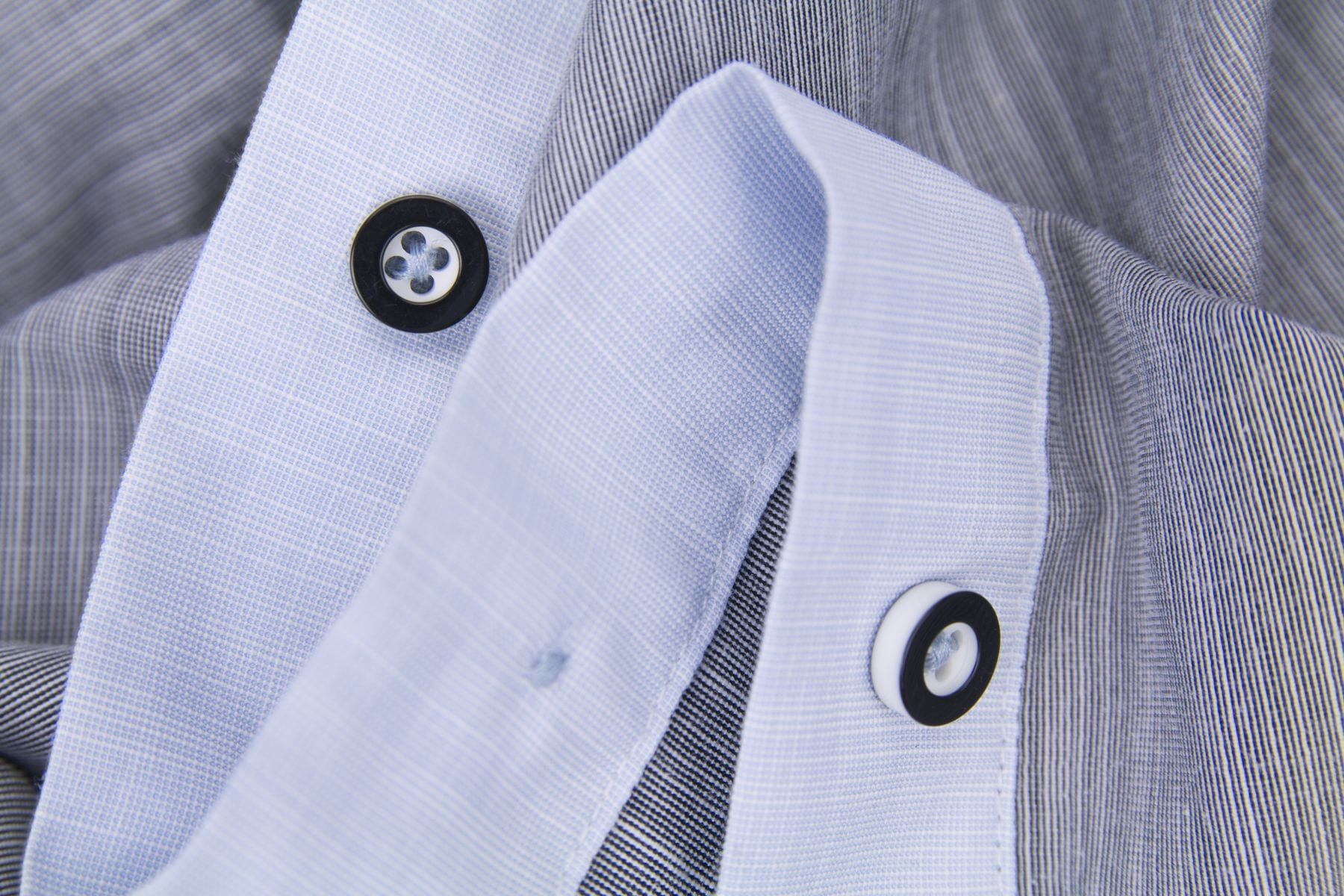
Light blue oxford cloth close-up showing basket weave textureSwatch · OxfordFIG. 04

04 Fabric

Oxford

A textured basket-weave shirting that is more forgiving, more casual and harder-wearing than poplin.

  • Basket weave with a visible texture
  • Heavier and more durable than poplin
  • Hides creasing and light soiling
  • Excellent base for embroidered logos
  • Casual to smart-casual appearance

Suited forCorporate casual shirts · Retail and showroom shirts · Café, bar and restaurant shirts · Logistics office and dispatch shirts

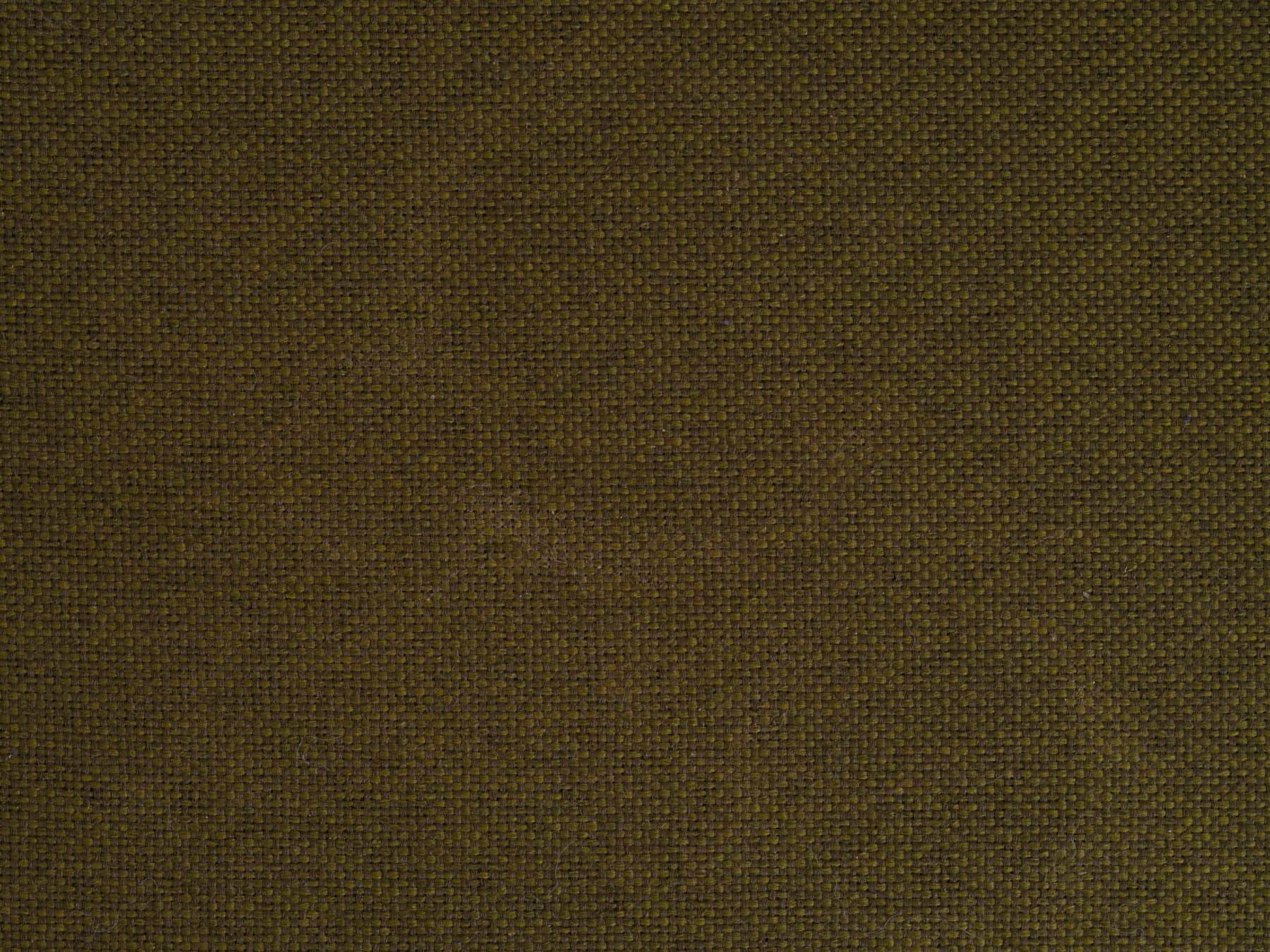
Khaki cotton drill fabric roll showing dense diagonal weaveSwatch · Cotton DrillFIG. 05

05 Fabric

Cotton Drill

A heavy, all-cotton twill for trousers and workwear where comfort and a natural hand matter more than colour retention.

  • All-cotton, comfortable and breathable
  • Dense weave with strong abrasion resistance
  • Structured, holds a crease
  • Fades and shrinks more than blends
  • Firm base for large embroidery and badges

Suited forWork trousers and shorts · Chef trousers · Workshop and warehouse jackets · Heavy tunics and workshop coats

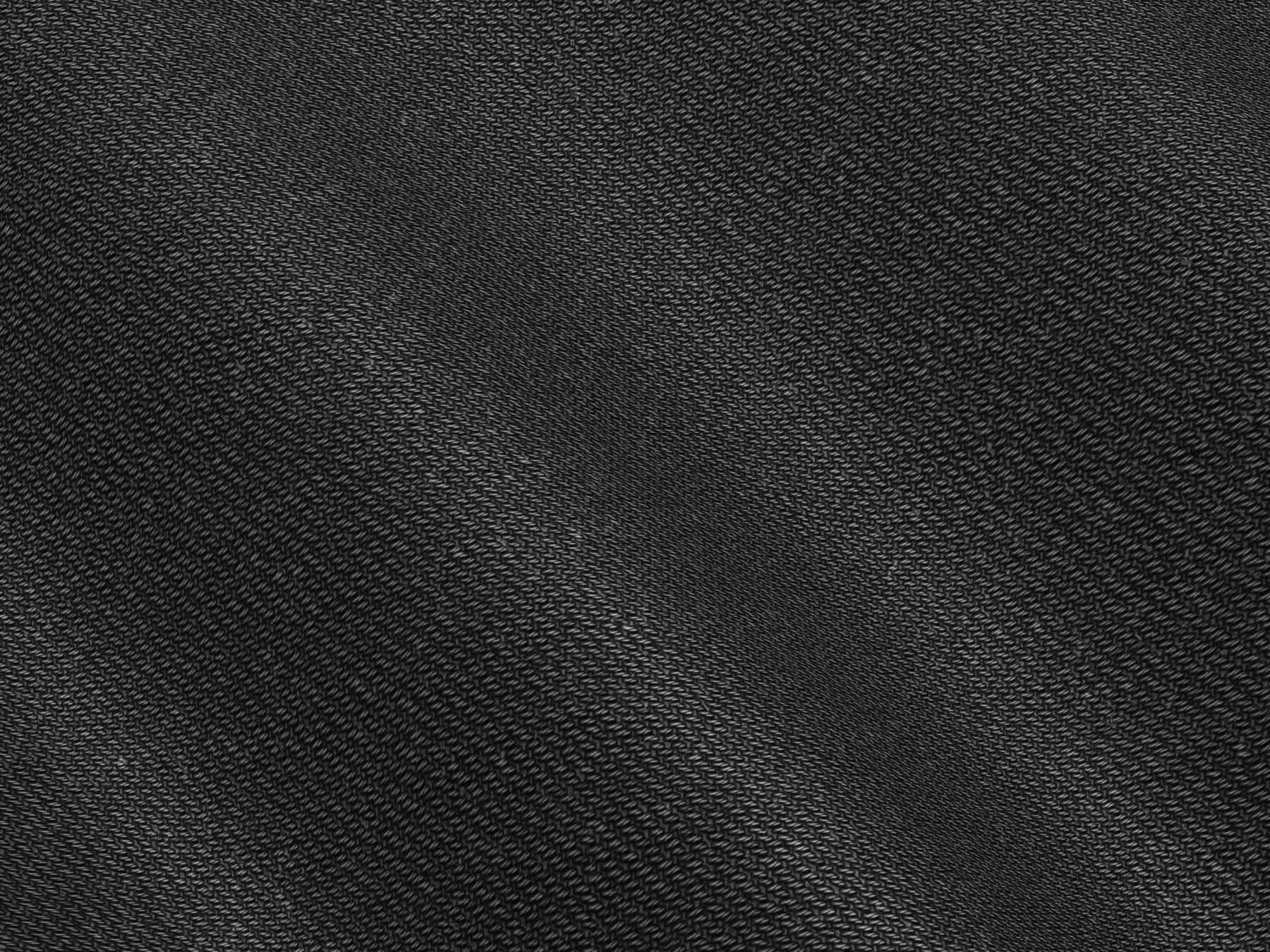
Charcoal gabardine suiting fabric folded to show its smooth diagonal faceSwatch · GabardineFIG. 06

06 Fabric

Gabardine

A tightly woven, smooth-faced twill for tailored school and corporate trousers, skirts and blazers that need to hold a crease and a clean line.

  • Tight twill with a smooth, slightly lustrous face
  • Holds pleats, creases and a tailored line
  • Resists snagging and abrasion
  • Washable in polyester and viscose blends
  • Firm base for crests and breast logos

Suited forSchool trousers, skirts and pinafores · School and corporate blazers · Corporate trousers and skirts · Hospitality and front-of-house tailoring

§ 02By Programme

Fabric choice by programme

The right cloth depends on who wears it and how it is laundered. These are the starting points we recommend per programme — each one proved on a washed sample before bulk.

Corporate & office

Poplin is the formal shirting — smooth, light, crisp under tailoring. Oxford is its working sibling, hiding creasing where the shirt is worn without a jacket, and gabardine carries trousers, skirts and blazers that must hold a crease. Match the cloth to the laundry, not the brochure: polyester-major blends forgive home washing, cotton-rich rewards pressing. Most programmes run a poplin shirt over a gabardine bottom, lab-dipped to one colour.

Poplin →Gabardine →

Hotel

No single cloth dresses a whole property. Poplin keeps the desk crisp, gabardine holds the line on vests and tailoring, polyester-spandex gives spa teams stretch through a hot wash, and twill serves the working departments. The discipline is one lab-dip standard per colour across every cloth — linings included — checked side by side, so the property reads as one brand.

Gabardine →Polycotton twill →

Housekeeping

"Too hot" is the usual complaint, and it is a fabric decision. Polycotton poplin is the coolest cloth that still takes industrial washing — the summer-weight default — while a lower-weight polycotton twill keeps the twill look with less warmth. Stretch blends buy comfort through movement rather than airflow. Choose per role, and wash-test the lighter cloth on your laundry's cycle before switching the programme.

Poplin →Polycotton twill →

Restaurant

Restaurant uniforms stain out before they wear out, so the cloth decision is a chemistry decision. Polyester-share cloths — polycotton twill for trousers and vests, polycotton poplin for shirts — release food stains and hold colour through hot cycles far better than cotton-rich equivalents. Soil-release finishes help, and diminish with age. Start from your stain list and wash-test the candidates against your real cycle.

Polycotton twill →Poplin →

Retail

Retail staff launder at home and rarely iron, so easy-care polycotton poplin is the honest default shirt cloth — off the airer near-pressed, colour held through a two-shirt rotation. Oxford is the alternative where the brand wants more weight and texture. Approve the washed sample, not the fresh one: collar fusing and seam twist are the failures that only show after the third home wash.

Poplin →Oxford →

Chef & kitchen

Kitchen cloth trades drape for survival: polycotton twill for coats and trousers that wash hot and hold their colour, and cotton drill where a heavier hand is wanted. Whites are held to a retained swatch rather than a memory, because two shades of white in one kitchen is the most visible failure there is. The cloth-by-cloth breakdown for kitchen roles sits on the chef uniform fabrics page.

Chef uniform fabrics →Cotton drill →

§ 03Before You Decide

Five checks that prevent most fabric problems

  • Handle physical swatches — photographs do not transmit weight, opacity or how a fabric creases
  • Confirm blend ratio and weight in writing, not just the fabric name
  • Ask how the colour will be laundered: domestic, industrial, bleach — and sample-wash for it
  • Approve fit and logo on a laundered sample so shrinkage and embroidery pucker are inside the decision
  • Match colours across fabrics of different fibre on physical swatches, not on screen

NoteSpecification

Fabric names are not specifications

"Polycotton" covers a 65/35 twill at 240 gsm and an 80/20 poplin at 110 gsm — one word on a brief, two different garments in the hand. "Stretch" can mean a mechanical stretch weave or a four-way spandex knit, marketed identically and behaving nothing alike in a laundry.

What can actually be sourced against is fibre blend, construction and weight. Part of our job is turning a descriptive brief into that specification — and writing it down, so your second order matches your first.

§ 04FAQ

Fabric questions uniform buyers ask

Frequently asked9 Q

How does the sampling process work before bulk production?

We start from your tech pack, reference garment or a brief, then make a pre-production sample in the agreed fabric and colour with your logo applied. You review the sample, we revise it if needed, and once approved it is sealed as the reference for bulk production. Where a fabric or finish is new to your project, we wash-test the sample before sending it so you see how it behaves after laundering.

How much does a sample cost and how long does it take?

Sample cost and sample lead time are quoted per project, as they depend on whether the fabric is in stock, how many logo positions are involved and how many styles you need. Sample charges are commonly offset against the bulk order once it is confirmed, and this is stated in the quotation.

Which fabrics do you keep in stock and which do you source to order?

We regularly run polycotton twill, cotton drill, pique, oxford, poplin, polyester-spandex, gabardine and fleece or softshell, and standard colours in these are usually available quickly. Special colours, weights or finishes are sourced to order from our mills, which adds fabric lead time that is confirmed in the quotation. Send us a swatch or a reference garment and we will tell you which route applies.

Can you match a Pantone colour across different fabrics?

We can lab-dip to your Pantone reference, but the same colour will look slightly different on a cotton twill, a polyester pique and a softshell because each fibre takes dye differently. For a multi-garment uniform programme we recommend approving a lab dip for each fabric together so the set reads as one colour family. Approved lab dips are kept on file for re-orders.

Will the uniforms hold up to industrial laundering?

Polycotton twill, cotton drill and polyester-rich fabrics are the usual choices for garments that go through commercial laundries, and we specify fabrics and threads accordingly. On request we wash-test the sample and report colourfastness and shrinkage before you approve it. Tell us your laundering method and temperature when you enquire so we can select fabric and construction to suit.

Do you offer wrinkle-free or easy-care finishes?

Yes. Easy-care finishes are available on poplin, oxford and polycotton twill for shirts and trousers, and polyester-blend fabrics naturally resist creasing. The finish is confirmed on the sample so you can check the hand feel, and any additional fabric cost is shown in the quotation.

Can we send you an existing uniform to copy?

Yes. Send a reference garment and we will take the pattern and measurements from it, match the fabric as closely as possible, and make a counter sample for your approval. Where the original fabric is not available we will propose the nearest option and show you both swatches. This is one of the most common ways our customers move a uniform programme to us.

Can we get a size set for a fit trial before bulk?

Yes. After the sample style is approved we can make a graded size set so staff of different builds can try them on before you finalise the size breakdown. The size set is charged per garment and quoted per project, and any measurement adjustments you request are applied to the pattern before bulk cutting.

What information should we send to get a quote?

Send the garment types, approximate quantity per style, preferred fabric or a reference garment, logo artwork with placement, and the destination country. If you have a size breakdown, a target price or a required delivery date, include those too. With this we can return a quotation covering price, MOQ, sample terms and lead time.

Request for quotation

Not sure which fabric fits your product?

Tell us who wears it, how it is laundered and the price you need to hit. We will propose two or three candidates and send physical swatches.

What to sendRFQ

  1. 01Logo file (AI / PDF / PNG)
  2. 02Styles and colours
  3. 03Quantity per style
  4. 04Size range or headcount
  5. 05Deadline and destination

Minimum order typically starts at 100 pcs per style; exact MOQ is quoted per project.