Fabric Guide
Oxford for Uniform Shirts — Fabric Guide
A textured basket-weave shirting that is more forgiving, more casual and harder-wearing than poplin.
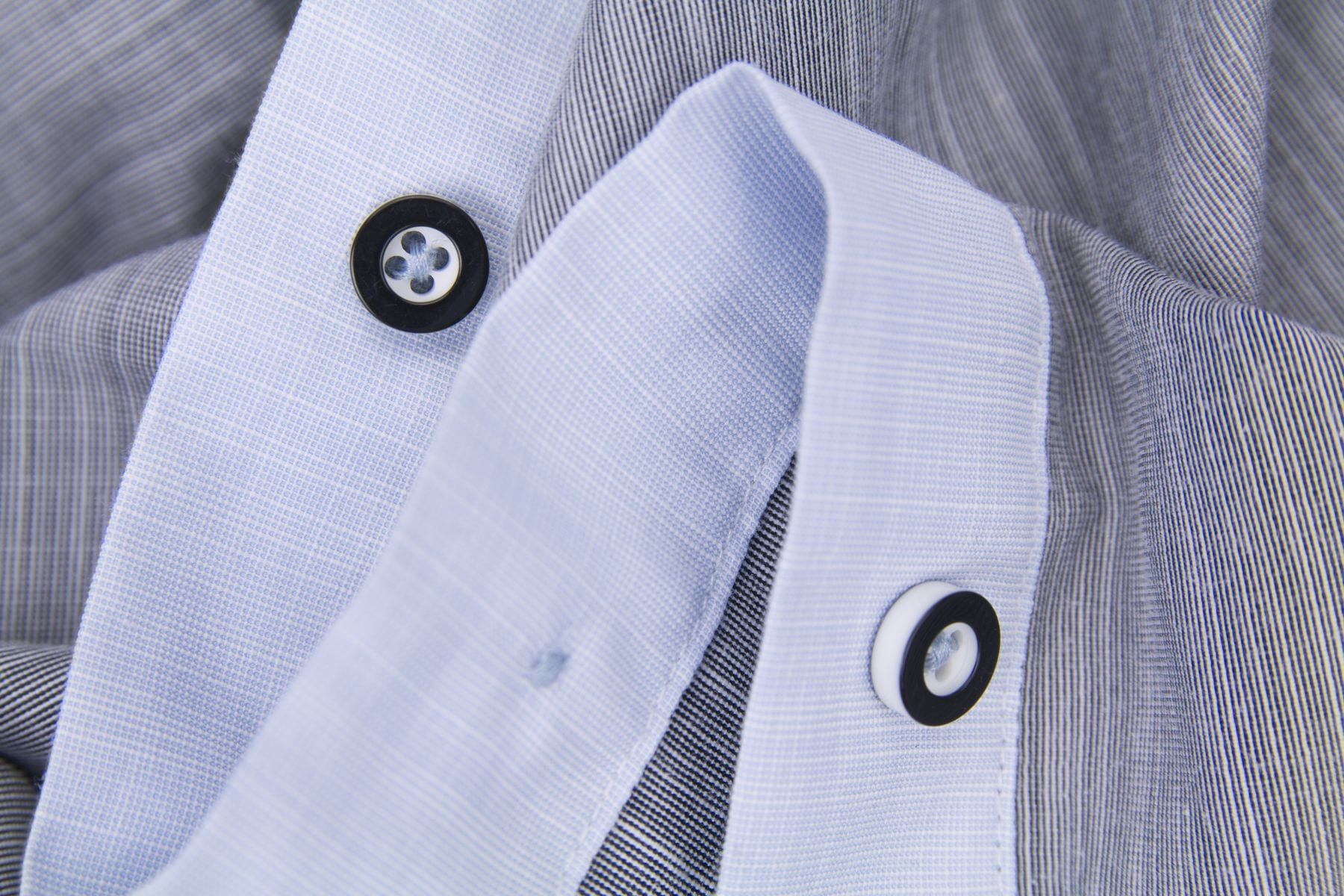
What is oxford?
Oxford is a shirting woven in a basket pattern: typically two fine yarns run together over one heavier yarn, which produces a small, even texture you can see and feel. The classic oxford uses a coloured yarn in one direction and a white yarn in the other, which is why the familiar light blue oxford has a slightly mottled look rather than a flat solid.
It is heavier than poplin, softer after washing, and more casual in appearance. Pinpoint oxford is a finer, lighter version that sits between the two; royal oxford is a smoother, dressier weave. For uniform programmes the standard oxford is the one that matters, usually in a polyester/cotton blend.
It is one of the two shirtings we offer for corporate uniforms.
Where does oxford fit in a uniform programme?
Oxford is the shirt fabric for corporate casual, retail and hospitality roles where a woven shirt is wanted but a formal dress shirt would look wrong or would not survive the day.
Against poplin, the trade is appearance versus tolerance. Poplin is smoother, finer and more formal; oxford is textured, fuller and more relaxed. Poplin shows creasing and transparency; oxford hides both. Poplin looks right under a suit jacket; oxford looks right with the sleeves rolled. In practice, if the wearer is behind a desk in a formal environment, poplin. If the wearer moves between the shop floor, the stock room and the customer, or the brand wants a relaxed but tidy look, oxford.
Oxford is also the more forgiving cloth to embroider. The heavier weave supports a dense chest logo without the puckering that light poplin produces, and the texture masks small variations in thread tension. If a shirt programme has a large or solid-filled logo, oxford is the safer base fabric.
The limits are formality and heat. Oxford is not a dress shirt and is warm at heavier weights; in a hot front-of-house environment a lighter poplin or a piqué polo may be the better answer. Print is also a poor fit: the texture breaks fine lines, so oxford shirts are almost always branded by embroidery.
Embroidery trials on shirting are described under logo embroidery and printing.
What should you confirm before bulk?
- Blend, weight and yarn colouring (solid versus two-tone) on the swatch card, with a retained cutting.
- Shade approval in the actual programme colours, since two-tone oxfords read differently from a flat lab dip.
- A washed sample shirt, checked for shrinkage, collar and cuff fusing, and texture change.
- An embroidery trial at final logo size on the approved cloth, washed once.
- Collar style (button-down or standard) and button placement, which are the visible differences between an oxford and a poplin shirt.
- Interlining specification matched to the heavier cloth.
- Whether an easy-care finish is required on a cotton-rich version; confirmed per lot.
Oxford in the stock shirting shades carries no fabric minimum beyond the shirt order it belongs to; a custom-dyed lot carries a mill minimum, and where that does not make sense we look for the nearest stock shade instead.
Each of these is settled at the sample development stage, before bulk fabric is ordered.
§ 01Properties
How it behaves
- Fibre type
- Polyester/cotton blends for uniform programmes; 100% cotton for premium shirts
- Construction
- Basket weave, typically two fine yarns over one heavier yarn, giving a visible texture
- Weight
- Heavier than poplin at shirt weight. Lighter pinpoint oxford exists for a smoother, more formal look; standard oxford is the workhorse.
- Hand feel
- Slightly coarse and dry off the roll, softens with washing
- Stretch
- None unless spandex is added
- Drape
- Fuller than poplin, with more body; holds a button-down collar well
- Breathability
- Good; the open basket weave lets air through despite the extra weight
- Typical weight
- 120–160 gsm
§ 02Key Characteristics
The short version
- Basket weave with a visible texture
- Heavier and more durable than poplin
- Hides creasing and light soiling
- Excellent base for embroidered logos
- Casual to smart-casual appearance
Suitable uniform styles4 items
- 01Corporate casual shirts
- 02Retail and showroom shirts
- 03Café, bar and restaurant shirts
- 04Logistics office and dispatch shirts
§ 03Production Notes
What to plan for
The practical consequences of choosing this fabric — the things that decide whether a bulk order goes smoothly.
| No. | Consideration | Note |
|---|---|---|
| 01 | Durability | Hard-wearing for a shirting; the basket weave resists abrasion and hides scuffing at collar and cuff better than a smooth cloth. |
| 02 | Colourfastness & laundering | Blends hold colour well through laundering. The classic mélange or chambray-look oxfords are woven from a coloured and a white yarn, so fading shows less than on solids. |
| 03 | Easy care | Blends recover from wrinkles well and tolerate industrial laundering. Cotton oxford creases but the texture disguises it, and easy-care finishes are available per lot. |
| 04 | Shrinkage considerations | Cotton-rich oxford shrinks more than blends and is usually pre-shrunk; residual shrinkage is confirmed on the bulk lot. |
| 05 | Logo, printing & dyeing | Embroiders very well: the heavier, textured cloth supports a dense chest logo with minimal puckering and hides minor thread tension variation. The texture breaks up fine printed detail; oxford is rarely printed for uniforms beyond simple marks. |
| 06 | Sampling considerations | Approve the shade in the classic light blue or white, check fusing behaviour on the collar and cuff, and wash the sample once before signing off. |
| 07 | Production considerations | Cuts and sews easily. Collar fusing must suit the heavier cloth; a button-down collar is the traditional construction and needs button placement checked at sampling. |
Related Uniforms
Uniforms made in oxford
Where this fabric earns its place in a uniform programme.
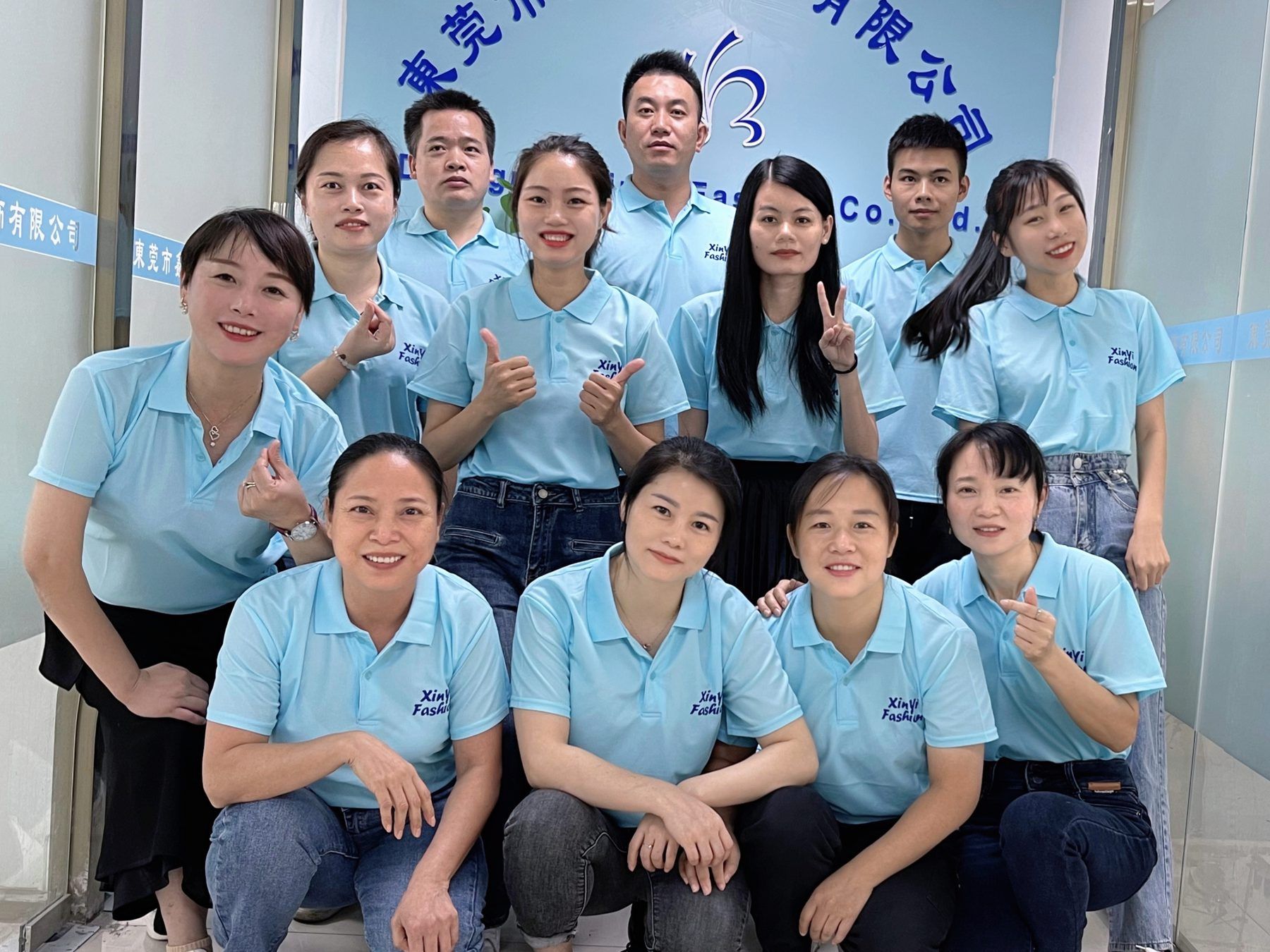
Corporate Uniforms
Coordinated office, front-desk and customer-facing sets in matched fabrics and colours.
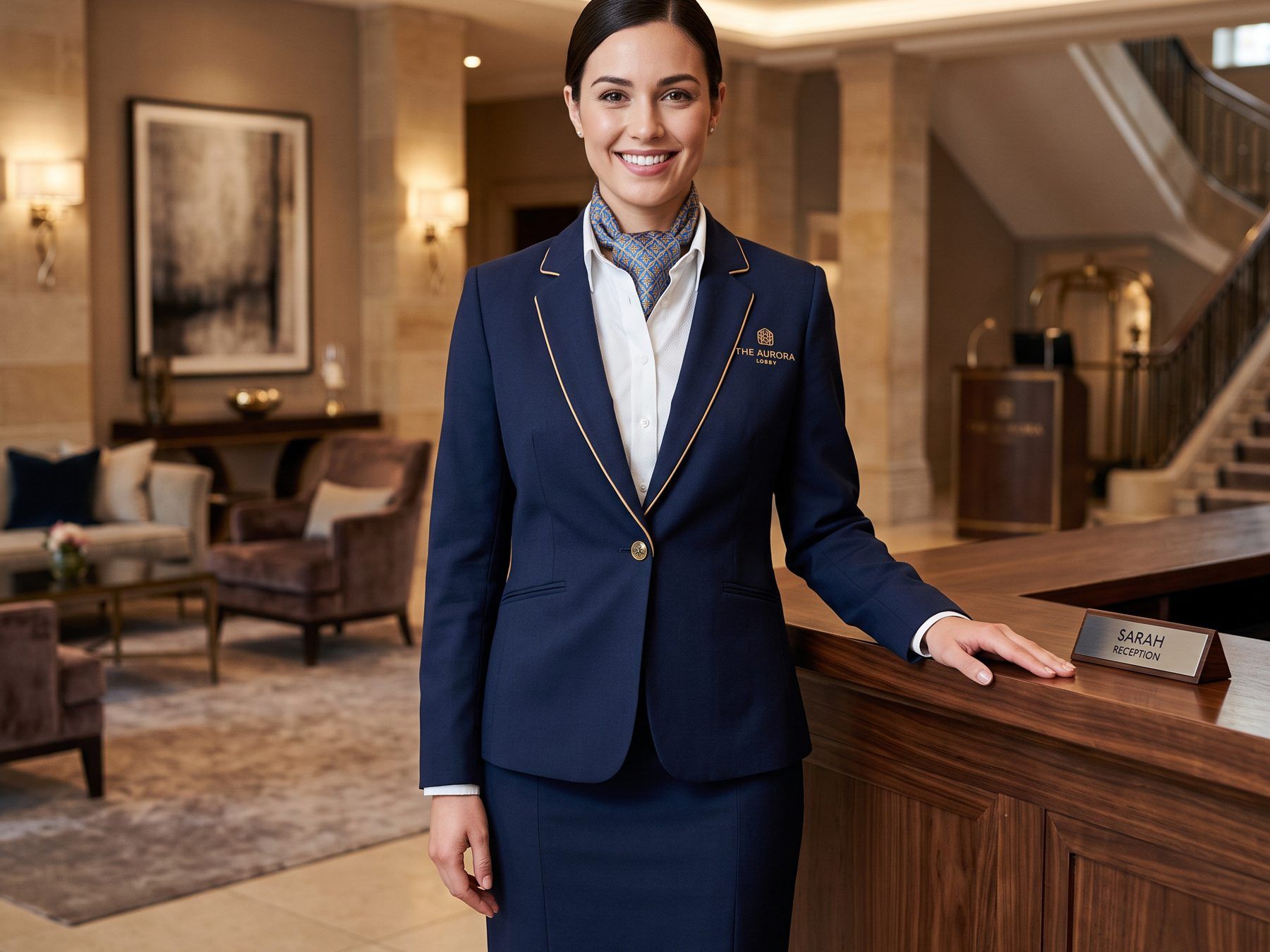
Hotel Uniforms
Front desk, concierge, bell staff and spa uniforms tailored to one colour standard with badges and embroidery.
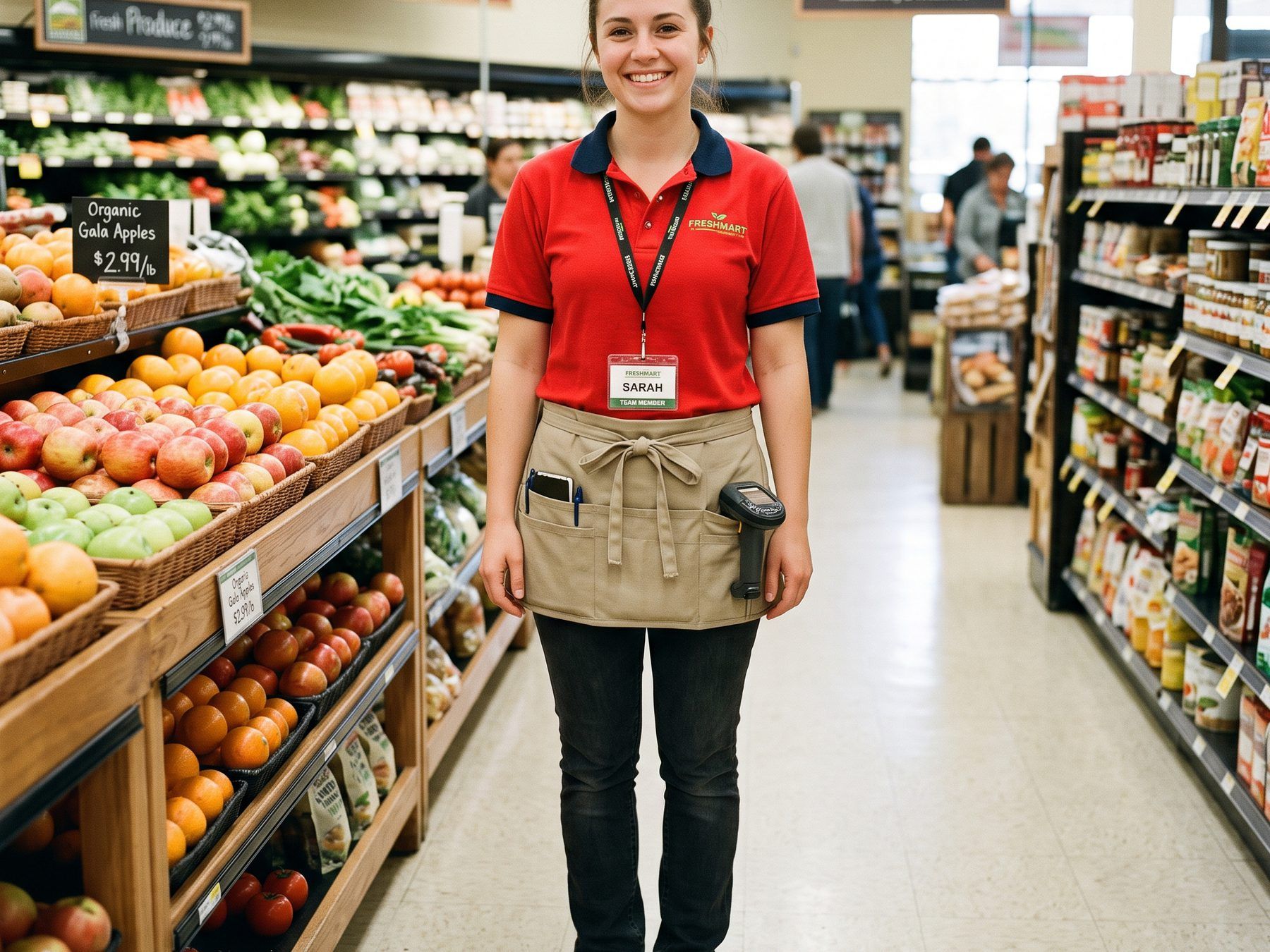
Retail Uniforms
Store staff polos, shirts and vests with embroidered logos and re-orders sized for staff turnover.
Related Manufacturing
Manufacturing steps this affects
Fabric Sourcing
Fabric sourcing for uniforms: stock colours versus custom dye lots, Pantone matching across different fibres, and what a lab dip approval actually covers.
Sample Development
Uniform sample development: fit samples per gender, a laundered size-set sample and a signed pre-production sample before any bulk cutting starts.
Logo Embroidery & Printing
Logo embroidery, screen print, heat transfer and DTF for uniforms. Digitising, stitch count, placement standards and per-employee name embroidery explained.
§ 05FAQ
Fabric questions we get asked
Frequently asked13 Q
How does the sampling process work before bulk production?
We start from your tech pack, reference garment or a brief, then make a pre-production sample in the agreed fabric and colour with your logo applied. You review the sample, we revise it if needed, and once approved it is sealed as the reference for bulk production. Where a fabric or finish is new to your project, we wash-test the sample before sending it so you see how it behaves after laundering.
What logo file format do you need?
Vector files (AI, EPS or PDF) are preferred because they scale cleanly for both embroidery and printing. A high-resolution PNG is acceptable, as we can digitise it for embroidery, but small text and fine lines may need to be simplified. Please also send Pantone references or a physical colour swatch so thread and ink colours can be matched.
How much does a sample cost and how long does it take?
Sampling typically takes 7–15 days once the fabric, logo and fit details are agreed. Sample cost is quoted per project, as it depends on whether the fabric is in stock, how many logo positions are involved and how many styles you need. Sample charges are commonly offset against the bulk order once it is confirmed, and this is stated in the quotation.
Should our logo be embroidered or printed?
Embroidery is the usual choice for polos, shirts and chef coats because it withstands repeated laundering and reads as more formal. Printing (screen or heat transfer) suits large-area artwork, fine gradients or lightweight fabrics where stitching would be heavy. Many customers use embroidery on the chest and printing for back panels or slogans, and we will advise which method suits each position.
Can you embroider individual staff names or add name badges?
Yes. We can embroider each employee's name directly on the garment from a list you supply, or add a badge holder, Velcro patch or removable name tag if staff change frequently. Per-name embroidery is priced per garment and needs the final name list before production starts, so it is confirmed in the quotation.
Which fabrics do you keep in stock and which do you source to order?
We regularly run polycotton twill, cotton drill, pique, oxford, poplin, polyester-spandex, gabardine and fleece or softshell, and standard colours in these are usually available quickly. Special colours, weights or finishes are sourced to order from our mills, which adds fabric lead time that is confirmed in the quotation. Send us a swatch or a reference garment and we will tell you which route applies.
Can you match a Pantone colour across different fabrics?
We can lab-dip to your Pantone reference, but the same colour will look slightly different on a cotton twill, a polyester pique and a softshell because each fibre takes dye differently. For a multi-garment uniform programme we recommend approving a lab dip for each fabric together so the set reads as one colour family. Approved lab dips are kept on file for re-orders.
Will the uniforms hold up to industrial laundering?
Polycotton twill, cotton drill and polyester-rich fabrics are the usual choices for garments that go through commercial laundries, and we specify fabrics and threads accordingly. On request we wash-test the sample and report colourfastness and shrinkage before you approve it. Tell us your laundering method and temperature when you enquire so we can select fabric and construction to suit.
Do you offer wrinkle-free or easy-care finishes?
Yes. Easy-care finishes are available on poplin, oxford and polycotton twill for shirts and trousers, and polyester-blend fabrics naturally resist creasing. The finish is confirmed on the sample so you can check the hand feel, and any additional fabric cost is shown in the quotation.
Can we send you an existing uniform to copy?
Yes. Send a reference garment and we will take the pattern and measurements from it, match the fabric as closely as possible, and make a counter sample for your approval. Where the original fabric is not available we will propose the nearest option and show you both swatches. This is one of the most common ways our customers move a uniform programme to us.
Can we get a size set for a fit trial before bulk?
Yes. After the sample style is approved we can make a graded size set so staff of different builds can try them on before you finalise the size breakdown. The size set is charged per garment and quoted per project, and any measurement adjustments you request are applied to the pattern before bulk cutting.
Do you make school uniforms with children's sizing and school crest embroidery?
Yes. We produce school polos, shirts, skirts and trousers graded across children's sizes by age or height, and embroider the school crest to your artwork. Blazers and jackets can be added to the same programme. Because school orders cover many sizes in small quantities, send the size breakdown early and we will confirm the MOQ per style in the quotation.
What information should we send to get a quote?
Send the garment types, approximate quantity per style, preferred fabric or a reference garment, logo artwork with placement, and the destination country. If you have a size breakdown, a target price or a required delivery date, include those too. With this we can return a quotation covering price, MOQ, sample terms and lead time.
Request for quotation
Sample oxford before you commit
Tell us the uniform you are building and how it will be laundered; we will send swatches, propose a construction and quote it.
What to sendRFQ
- 01Logo file (AI / PDF / PNG)
- 02Styles and colours
- 03Quantity per style
- 04Size range or headcount
- 05Deadline and destination
Minimum order starts at 100 pcs per style; exact MOQ is quoted per project.