Custom Uniform Manufacturing
Housekeeping Uniform Manufacturer
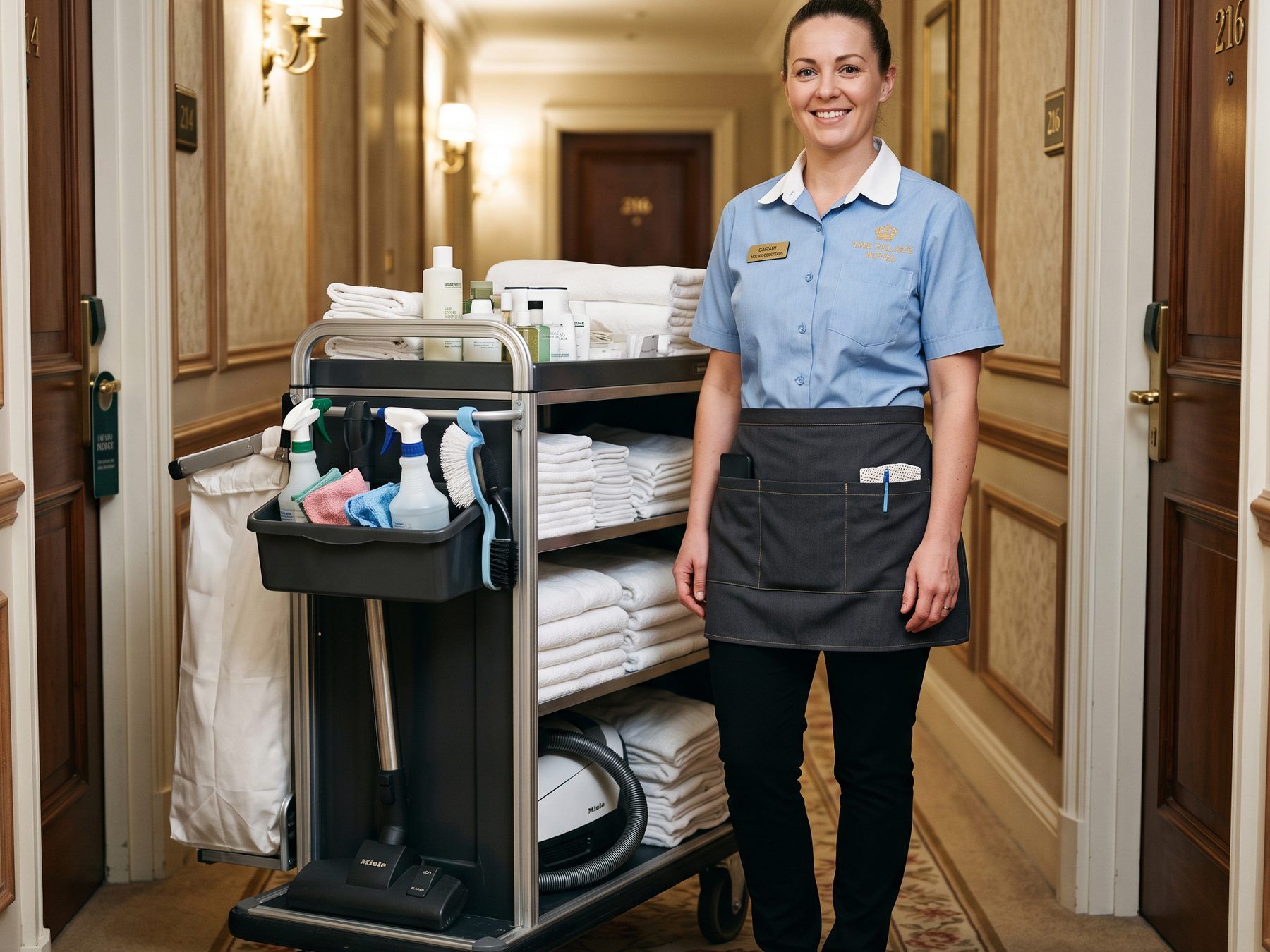
We manufacture housekeeping uniforms for hotels, serviced apartments, cleaning contractors and facilities teams: housekeeping dresses and tunics with a side zip or button front, matching elastic-waist trousers, and tunic-and-trouser sets for cleaning and maintenance staff. Garments are cut for bending and reaching, laid out with the pockets the job needs, and tested at the laundry's wash temperature before the sample is sealed.
| Facts at a glance | Spec. summary |
|---|---|
| Industries | Hospitality · Property |
| Size range | XS–5XL, women's, men's and unisex fits |
| Fabrics | Polycotton Twill · Poplin · Cotton Drill |
| MOQ | Minimum order starts at 100 pcs per style; exact MOQ is quoted per project. |
| Branding | Logo embroidery on the chest or sleeve, digitised for twill and tested through the wash · Woven main label and a care label stating the industrial wash temperature · Name badge loop or embroidered name on the chest |
| Factory | Dongguan Hualingniao Apparel Co., Ltd., est. 2006, Humen Town, Dongguan, Guangdong, China |
| Quality | In-line checks plus a final random inspection against the sealed sample (AQL-style sampling) |
| Not offered | We do not manufacture certified protective clothing: no EN ISO 20471 high-visibility, flame-retardant, arc-flash or other PPE-rated garments. |
Which housekeeping garments do we make?
Housekeeping garments are worn bending over beds, kneeling on bathroom floors and reaching to the top of a wardrobe, then sent to an industrial laundry. They are built for that, with reach built into the pattern and the pocket layout fixed by the job rather than by the look.
- Housekeeping dresses with a side or front zip, short sleeves and hip pockets
- Housekeeping tunics with a gusset or action pleat and matching elastic-waist trousers
- Cleaning and facilities tunic-and-trouser sets with phone, key and pen pockets
- Stretch tunics for staff who kneel and bend all shift
Front-of-house staff in the same hotel are covered under hotel uniforms, dyed to the same standard so the corridor and the lobby match.
Which fabrics hold up to the industrial laundry?
The laundry decides the cloth. Housekeeping garments go through a hot industrial cycle far more often than any front-of-house piece, so the fabric has to hold its shade, its shape and its seams after that cycle. A mid-weight polycotton twill is the usual answer; poplin where a lighter dress is wanted; stretch twill where the job is on the knees.
- Polycotton twill for tunics and trousers on a daily industrial wash
- Polycotton poplin for lighter housekeeping dresses in warm climates
- Stretch twill or polyester-spandex for close-cut tunics with give
- Cotton drill where a contractor wants a heavier tunic for maintenance staff
The polycotton twill guide explains how the blend behaves through repeated hot washing, and poplin covers the lighter option.
Why do gussets and pockets matter on a housekeeping tunic?
The gusset is the detail that separates a housekeeping tunic from a shirt. Without it the hem rides up and the sleeve binds when the wearer reaches; with it the tunic stays in place. Pockets are the second: a phone pocket that a phone falls out of when the wearer bends is worse than none.
- Underarm gusset or action pleat, side vents, back walking vent on dresses
- Closure: concealed zip, button placket or press studs
- Pockets by role: hip pockets, phone pocket with a flap, pen pocket, key loop
- Trouser waist: full elastic or flat front with back elastic, 4 cm hem allowance
Women’s, men’s and unisex blocks are graded XS to 5XL; see pattern making for how a tunic block is drafted for reach and size grading for the chart.
How does a logo survive the industrial wash?
A logo on a housekeeping tunic has to survive the same wash as the tunic, so it is digitised for twill, backed properly and run through the wash test alongside the fabric. Names are usually on a badge loop rather than embroidered, because room attendants change more often than the garments do.
- Logo on the chest or sleeve from one artwork and thread code
- Badge loop or embroidered name on the chest
- Piping or collar colour to mark department or floor
- Care label stating the industrial wash temperature the garment was tested at
Placement standards are on logo embroidery and printing, and labels on private label.
What are the MOQ and lead time for housekeeping garments?
Sample cost, sample time and production lead time depend on the garment configuration, fabric and decoration, and are confirmed in the quotation. Minimum order quantities start at 100 pcs per style, set exactly per project.
- Fit sample checked bending, kneeling and reaching on real people
- Sample washed at the laundry’s temperature before approval, shrinkage recorded
- Sealed pre-production tunic with gusset, pockets and closure fixed
- Re-orders cut against the sealed sample and the washed measurements, not the unwashed ones
The stages are on sample development.
How do we check shrinkage before an order ships?
Shrinkage is the complaint in this category. A tunic measured before the wash and delivered to a laundry that runs hot comes back a size smaller, so every size is measured after the wash test and the chart is set from those numbers.
- Fabric: shade and defects checked per roll, shrinkage confirmed on the washed sample before cutting
- Sewing: gusset, vents, zip and pocket bar tacks checked in-line against the sealed sample
- Measurement: every size measured after washing against the chart
- Finishing: logo wash-tested, badge loop checked, packing by department verified at final inspection
The checks are set out on quality control.
How do you start a housekeeping uniform programme?
Tell us who launders the garments and at what temperature, because it sets the fabric and the measurement chart. Then list what goes in the pockets: phone, keys, pen, cloths.
- Department list with dress, tunic or tunic-and-trouser preference and quantities per size
- Laundry contractor and wash temperature
- Pocket contents per role
- Logo as a vector file with placement, and badge or name policy
Questions on shrinkage and sizing are answered in our FAQ. Request a quote and we will reply with fabric options, a sample plan and pricing.
§ 02Available Styles
Housekeeping Uniforms we develop
| No. | Style | Description |
|---|---|---|
| 01 | Housekeeping dress | Knee-length dress in polycotton twill or poplin with a side or front zip, short sleeves and two hip pockets. The traditional hotel room-attendant garment. |
| 02 | Housekeeping tunic | Hip-length tunic with a zip or button front, side vents and a gusset or action pleat under the arm so it does not ride up when reaching. |
| 03 | Housekeeping trouser | Elastic or half-elastic waist trouser in twill with a straight leg and a hem allowance, worn with the tunic in the same colour standard. |
| 04 | Cleaning and facilities tunic set | Heavier twill tunic and trouser for cleaning contractors and building staff, with a pen pocket, a phone pocket and a key loop at the waist. |
| 05 | Stretch tunic | Polyester-spandex or stretch twill tunic for staff who kneel and bend all shift, cut closer to the body with the same pocket layout. |
§ 03Construction
Details worth specifying
Confirm these on the sample. Each one changes how the finished garment reads.
- Underarm gusset or action pleat on tunics and dresses so the hem stays down when reaching up
- Front closure: concealed zip, button placket or press studs, stated on the sample
- Side vents on tunics for bending; back walking vent on dresses
- Pocket layout fixed per role, with bar tacks at every pocket corner and belt-loop position
- Elastic waist on trousers sewn as a full elastic or a back-elastic with a flat front
- Seams overlocked and topstitched so they survive an industrial wash cycle
- Hem allowance of 4 cm on trousers and dresses for local alteration
Related Fabrics
Fabric options for housekeeping uniforms
Fabric decides how the uniform looks after a year of washing. Compare the realistic options before sampling.
Polycotton Twill
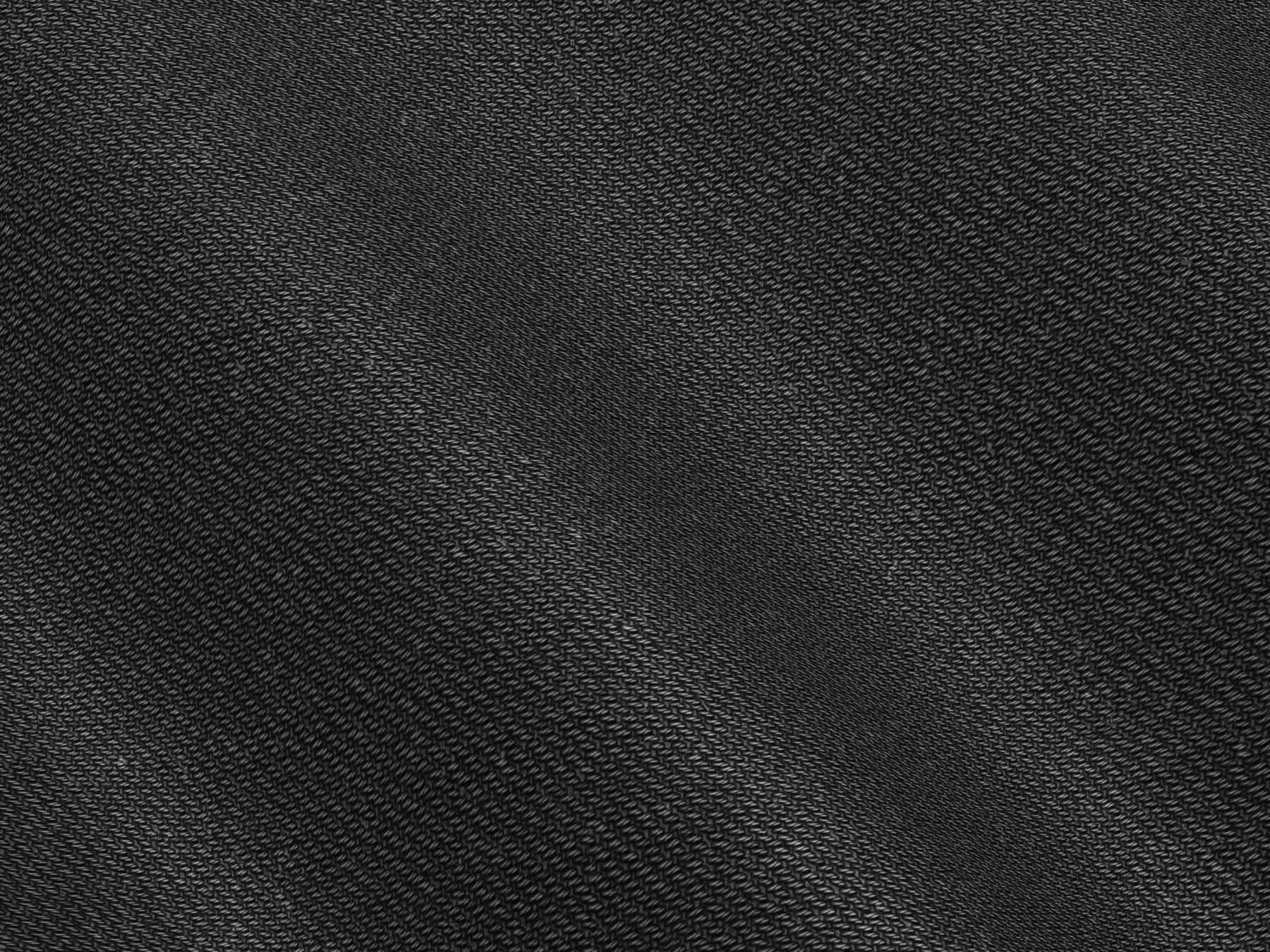
The default workwear cloth — a polyester/cotton diagonal weave that balances abrasion resistance, colour retention and easy care.
Poplin
A smooth, fine plain weave for corporate, hospitality and front-of-house shirts where a crisp, clean appearance matters most.
Cotton Drill
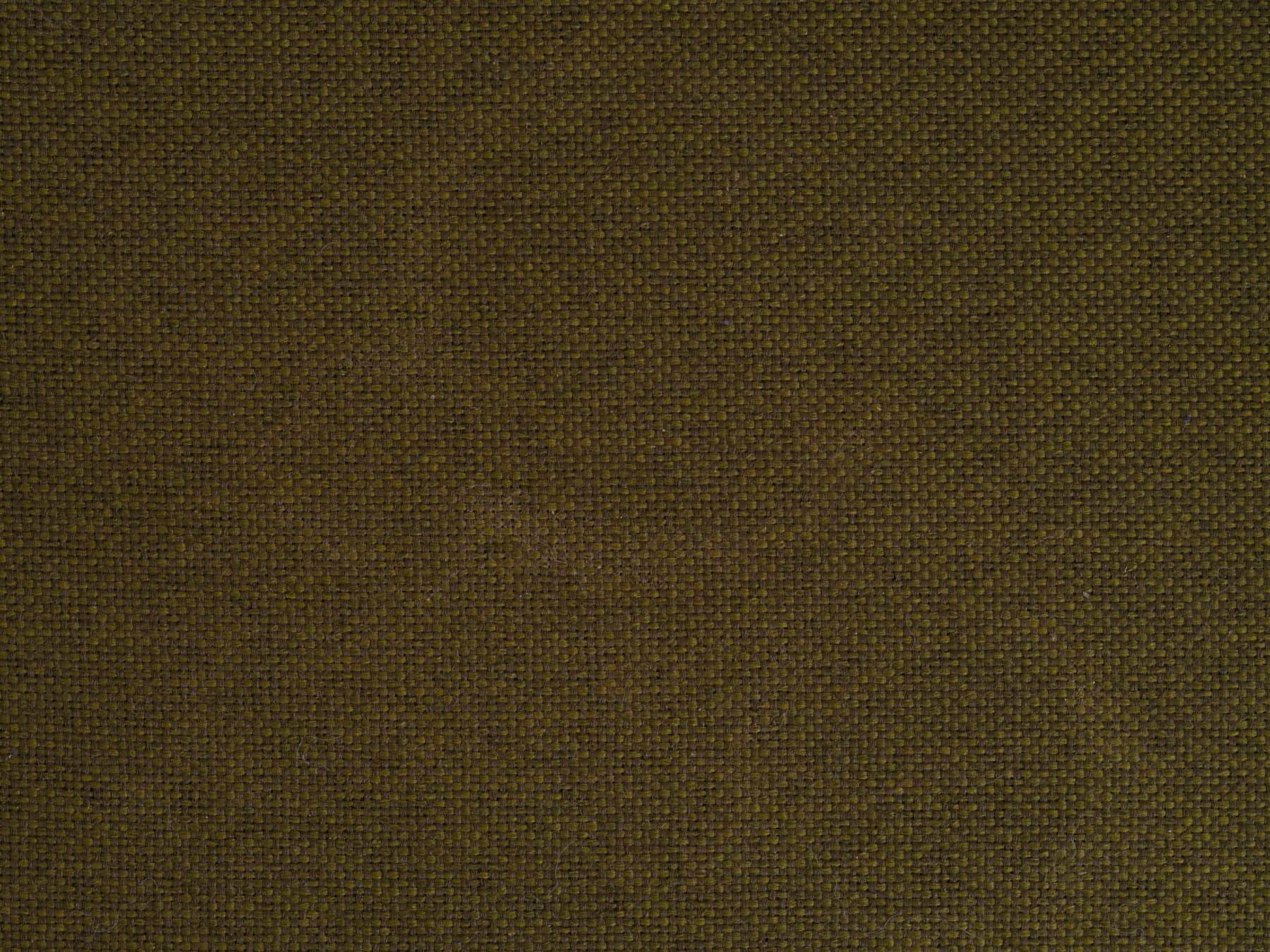
A heavy, all-cotton twill for trousers and workwear where comfort and a natural hand matter more than colour retention.
§ 04Customization
What you can change
- Fabric from polycotton twill, poplin or stretch twill by weight
- Colour lab-dipped to the hotel or contractor standard, with a contrast collar or piping option
- Dress, tunic or tunic-and-trouser configuration per department
- Pocket layout per role, including phone, key and pen pockets
- Women's, men's or unisex blocks with separate size charts
- Short, three-quarter or long sleeves
§ 05Logo & Branding
Your logo, your labels
- Logo embroidery on the chest or sleeve, digitised for twill and tested through the wash
- Woven main label and a care label stating the industrial wash temperature
- Name badge loop or embroidered name on the chest
- Department identification by piping or collar colour
- Property or contractor labels within one group programme
§ 06Sampling
From brief to sealed sample
- Sampling starts from your tech pack, the tunics your staff wear now, or our housekeeping blocks
- Fabric swatch and lab dip approved before cutting
- Fit sample checked bending, kneeling and reaching, not standing only
- Sample washed at the laundry's temperature for shrinkage and colour before approval
- Sealed sample retained here with a duplicate sent to you
§ 07Quality Control
What gets checked
- Fabric checked for shade and defects, with shrinkage confirmed after the wash test
- Gusset, vent and zip checked in-line against the sealed sample
- Pocket placement and bar tacks checked on every piece
- Measurement audit per size after washing
- Embroidery position and wash resistance checked per lot
- AQL inspection per department before packing
Minimum Order QuantityMOQ
Minimum order starts at 100 pcs per style; exact MOQ is quoted per project. A stock-colour polo and a custom-dyed twill in three department colours are not the same commitment, so the exact minimum for your programme is confirmed in the quotation rather than published as one number.
§ 08Manufacturing Process
How a housekeeping uniforms order runs
The stages your order passes through, in order. Each one has its own page.
01
Pattern Making & Fit
Uniform pattern making: fit for movement, tuck-in body length, women's darts versus unisex blocks, and how a pattern is corrected from fit sample comments.
Read →
02
Size Grading
Size grading for uniforms from XS to 5XL, separate men's and women's grades, children's 4-16 for schools, and how to plan a size ratio from an employee list.
Read →
03
Private Label Uniforms
Private label uniform manufacturing from Dongguan. Your logo, labels and thread colour applied consistently across shirts, polos and jackets.
Read →
04
Sample Development
Uniform sample development: fit samples per gender, a laundered size-set sample and a signed pre-production sample before any bulk cutting starts.
Read →
05
Quality Control
Uniform quality control from fabric inspection through in-line checks, measurement against spec, embroidery placement tolerance and final random inspection.
Read →
§ 09By Buyer Situation
Specialised housekeeping uniforms programmes
The same factory and the same sealed-sample standard, scoped to one buyer situation at a time.
- Hotel Housekeeping Uniforms for Room Attendant TeamsFor hotel executive housekeepers and purchasing managers outfitting room attendants, turndown and public-area staff as one team.
- Housekeeping Tunics with Logo & Name EmbroideryFor hotels and contractors putting logos and staff names on housekeeping tunics that must survive the industrial wash.
- Maid Uniforms, Wholesale & CustomFor hotels buying maid uniforms direct and for suppliers buying wholesale maid ranges to resell under their own label.
- Housekeeping Dresses and SkirtsFor housekeeping teams that prefer a dress or skirt uniform over a tunic-and-trouser set.
- Stretch Housekeeping Pants & TrousersFor buyers choosing housekeeping pants for staff who kneel, bend and walk for a full shift.
- Care Home UniformsFor care home managers and group purchasers kitting out housekeeping, domestic and support teams.
- Janitorial Uniforms for Facility Management CompaniesFor FM and outsourced-services companies kitting out janitorial and cleaning teams across multiple client sites.
- Cleaning Uniforms for Contract Cleaning CompaniesFor contract cleaning companies whose crews work on client premises wearing the company name.
- Housekeeping Supervisor and Floor Manager UniformsFor hotels and contractors dressing housekeeping supervisors and floor managers distinctly from the attendant team.
- Uniforms Manufactured for Rental & Laundry CompaniesFor uniform rental and workwear laundry companies buying manufactured stock for their rental pools.
§ 10FAQ
Housekeeping Uniforms — common questions
Frequently asked21 Q
What is your minimum order quantity for custom uniforms?
Minimum order starts at 100 pcs per style; exact MOQ is quoted per project. The figure depends on the fabric, colour and level of customisation involved, so send us the style, quantity and branding you have in mind and we will confirm the MOQ in the quotation.
How does the sampling process work before bulk production?
We start from your tech pack, reference garment or a brief, then make a pre-production sample in the agreed fabric and colour with your logo applied. You review the sample, we revise it if needed, and once approved it is sealed as the reference for bulk production. Where a fabric or finish is new to your project, we wash-test the sample before sending it so you see how it behaves after laundering.
How long does bulk production take?
Bulk production typically takes 25–30 days after the sample is approved and the order is confirmed. The exact schedule depends on fabric availability, order quantity and the amount of embroidery or printing per garment, and is confirmed in the quotation; we update you at fabric arrival, cutting and final inspection.
What size range do you produce, and do you grade children's sizes?
We grade adult sizes from XS through 5XL as standard and can extend the range on request. For school uniforms we also grade children's sizes by age or height band, using your existing size chart or one we develop with you during pattern making. Every size in the run is checked against the approved measurement chart before packing.
Do you make hi-vis, flame-retardant or certified protective clothing?
No. We do not manufacture certified PPE such as EN ISO 20471 hi-vis, flame-retardant, arc-flash or NFPA/ANSI-rated garments. What we do make is everyday workwear and uniforms, including corporate, hotel, restaurant, chef, housekeeping, retail and school uniforms, all with your branding applied.
Can we mix sizes and colours within the minimum order?
Mixing sizes within one style is normal and does not affect the MOQ. Mixing colours is usually possible too, but each colour needs its own fabric lot, so the per-colour quantity may be subject to a minimum. Minimum order starts at 100 pcs per style; exact MOQ is quoted per project, including any per-colour split.
How much does a sample cost and how long does it take?
Sampling typically takes 7–15 days once the fabric, logo and fit details are agreed. Sample cost is quoted per project, as it depends on whether the fabric is in stock, how many logo positions are involved and how many styles you need. Sample charges are commonly offset against the bulk order once it is confirmed, and this is stated in the quotation.
Do you offer separate men's and women's fits?
Yes. Most of our uniform styles are patterned in both a men's and a women's fit, with differences in shoulder, chest, waist shaping and length, and we can also supply a unisex block if you prefer one chart for the whole team. We recommend including both fits in the sample round so staff can try them before you place the bulk order.
Can uniforms be colour-coded by department or role?
Yes. Colour coding is commonly done with different body colours, contrast collars or piping, sleeve tape, or a coloured department label at the chest or hem. Each colour variant is treated as a separate fabric lot, so let us know the department split when you request a quote and we will confirm minimums per variant.
Which fabrics do you keep in stock and which do you source to order?
We regularly run polycotton twill, cotton drill, pique, oxford, poplin, polyester-spandex, gabardine and fleece or softshell, and standard colours in these are usually available quickly. Special colours, weights or finishes are sourced to order from our mills, which adds fabric lead time that is confirmed in the quotation. Send us a swatch or a reference garment and we will tell you which route applies.
Can you match a Pantone colour across different fabrics?
We can lab-dip to your Pantone reference, but the same colour will look slightly different on a cotton twill, a polyester pique and a softshell because each fibre takes dye differently. For a multi-garment uniform programme we recommend approving a lab dip for each fabric together so the set reads as one colour family. Approved lab dips are kept on file for re-orders.
Will the uniforms hold up to industrial laundering?
Polycotton twill, cotton drill and polyester-rich fabrics are the usual choices for garments that go through commercial laundries, and we specify fabrics and threads accordingly. On request we wash-test the sample and report colourfastness and shrinkage before you approve it. Tell us your laundering method and temperature when you enquire so we can select fabric and construction to suit.
Do you offer wrinkle-free or easy-care finishes?
Yes. Easy-care finishes are available on poplin, oxford and polycotton twill for shirts and trousers, and polyester-blend fabrics naturally resist creasing. The finish is confirmed on the sample so you can check the hand feel, and any additional fabric cost is shown in the quotation.
Can we re-order small top-up quantities for new staff?
Yes. Repeat orders are made against your sealed sample and the approved lab dips, so new garments match the original run. Top-up orders are subject to minimums quoted per project, and reserving fabric from the first run can make small repeats easier, so mention expected staff turnover when you place the initial order.
Can you pack uniforms per employee by name and size?
Yes. We can bag each employee's garments together, label the pack with name, department and size, and carton them by site or branch so your team can hand them out without re-sorting. We need the distribution list before packing starts, and any extra packaging cost is confirmed in the quotation.
How do you check quality during production?
Fabric is inspected on arrival for shade and defects, then a pilot run from bulk is measured and compared with the sealed sample before cutting continues. During sewing, inline checks cover seams, logo placement and measurements, and a final inspection is carried out on finished garments before packing. You are welcome to appoint a third-party inspection company, and we will arrange access.
Can we get a size set for a fit trial before bulk?
Yes. After the sample style is approved we can make a graded size set so staff of different builds can try them on before you finalise the size breakdown. The size set is charged per garment and quoted per project, and any measurement adjustments you request are applied to the pattern before bulk cutting.
Do you work with uniform distributors and brands?
Yes. A large part of our production is for uniform distributors and workwear brands who resell under their own labels. We can hold approved samples and lab dips on file, run repeat programmes for their end customers and ship blind or with the distributor's own packaging and documentation.
Do you make school uniforms with children's sizing and school crest embroidery?
Yes. We produce school polos, shirts, skirts and trousers graded across children's sizes by age or height, and embroider the school crest to your artwork. Blazers and jackets can be added to the same programme. Because school orders cover many sizes in small quantities, send the size breakdown early and we will confirm the MOQ per style in the quotation.
What information should we send to get a quote?
Send the garment types, approximate quantity per style, preferred fabric or a reference garment, logo artwork with placement, and the destination country. If you have a size breakdown, a target price or a required delivery date, include those too. With this we can return a quotation covering price, MOQ, sample terms and lead time.
Do you ship worldwide, and which Incoterms do you use?
Yes. We ship to customers worldwide by sea, air or courier depending on the quantity and urgency. The shipping terms (for example EXW, FOB or CIF) and any freight estimate are agreed with you and confirmed in the quotation, and we can work with your own forwarder if you prefer.
Request for quotation
Ready to develop your housekeeping uniforms?
Send your logo, an existing garment or your dress code and headcount — we will come back with a manufacturing plan and quotation.
What to sendRFQ
- 01Logo file (AI / PDF / PNG)
- 02Styles and colours
- 03Quantity per style
- 04Size range or headcount
- 05Deadline and destination
Minimum order starts at 100 pcs per style; exact MOQ is quoted per project.