Custom Uniform Manufacturing
Restaurant Uniform Manufacturer
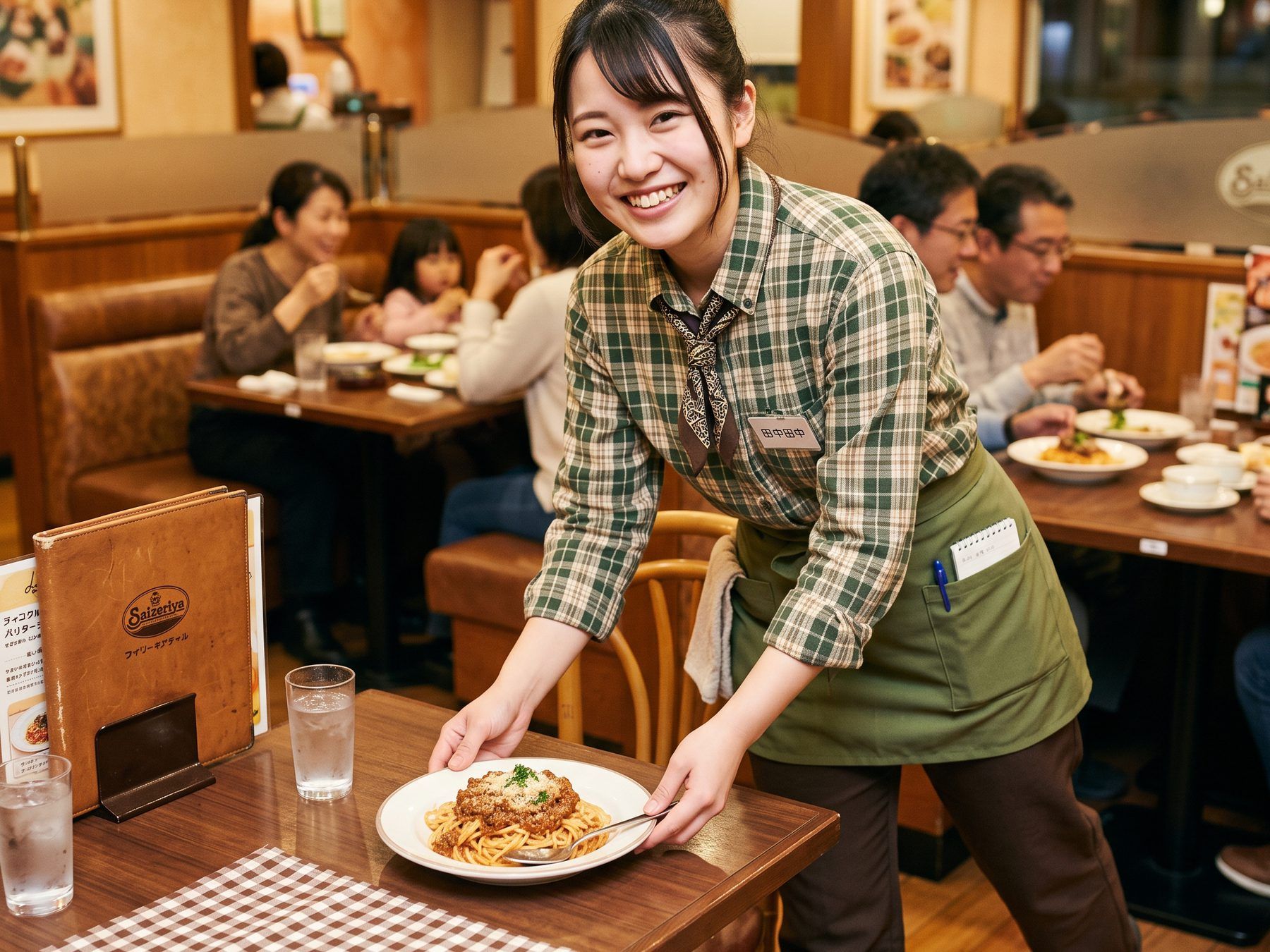
We manufacture restaurant uniforms for restaurant groups, bars, cafés and catering companies: waiter shirts, bar vests and café polos that let staff carry, reach and clear without pulling, and come back from a food-stain wash looking the same. Styles are sealed on a sample and re-run to order.
| Facts at a glance | Spec. summary |
|---|---|
| Industries | Hospitality · Catering |
| Size range | XS–5XL, unisex and men's and women's fits |
| Fabrics | Polycotton Twill · Cotton Drill · Poplin · Piqué |
| MOQ | Minimum order starts at 100 pcs per style; exact MOQ is quoted per project. |
| Branding | Logo embroidery on the shirt chest and vest chest, with a stitch-out on each fabric · Woven main label and care label in every garment stating the wash temperature · Embroidered name or a badge loop on the shirt |
| Factory | Dongguan Hualingniao Apparel Co., Ltd., est. 2006, Humen Town, Dongguan, Guangdong, China |
| Quality | In-line checks plus a final random inspection against the sealed sample (AQL-style sampling) |
| Not offered | We do not manufacture certified protective clothing: no EN ISO 20471 high-visibility, flame-retardant, arc-flash or other PPE-rated garments. |
What do we make for restaurants, bars and cafés?
A restaurant uniform is worn for a shift of carrying, reaching across tables and clearing plates, then washed with food and wine on it. The garments are cut for that movement and re-run against a sealed sample so re-orders always match.
- Waiter shirts and blouses in poplin or oxford with a classic or mandarin collar
- Bar vests, unlined or half-lined, cut short to clear the counter
- Piqué polos for cafés, casual dining and event catering crews
Kitchen staff in the same venue are covered under chef uniforms and dyed to the same standard, and lobby staff in a hotel restaurant under hotel uniforms.
Which fabrics come back clean from a food-stain wash?
Food stains and the wash decide the fabric before the look does. Shirts and vests go through a hot wash with grease, sauce and wine on them, sometimes every day, so colour retention under that cycle matters more than hand feel. Black and dark navy hide the marks between washes; whites and pastels show them and need a fabric that releases stains.
- Polycotton twill or gabardine for bar vests: holds colour through repeated hot washes and dries flat
- Polycotton poplin for shirts that press well and release food stains
- Piqué for polos that keep their collar through the wash
The polycotton twill guide covers the vest cloth, and piqué covers polos.
Which details are fixed on the sealed sample?
Collar, sleeve and pocket choices change per outlet, and each is fixed on the sealed sample so a re-order six months later matches the garments already in service.
- Shirt collar: classic or mandarin, soft or fused, stated on the sample
- Shirt sleeve set with back-armhole ease for carrying plates above shoulder height
- Vest welt pockets interfaced so they stay flat over a bar top
- Polo placket with a stated number of buttons and a taped neck seam
Sizes on shirts and vests are graded XS to 5XL. See size grading.
Where does the logo sit on a shirt or vest?
A chest logo is seen by every guest at the table, so it is placed where a tray will not cover it and fixed on the sealed sample. On a poplin shirt the artwork is run at a lower density so the thin cloth does not pucker; on a twill vest it can run denser.
- Logo on the shirt chest or vest chest from one artwork and thread code
- Embroidered name or badge loop on the shirt
- Outlet-specific logos and labels within one group programme
- Heat transfer on light poplin where a dense logo would pucker
Placement standards are handled on logo embroidery and printing, and outlet labels on private label.
What are the MOQ and lead time for a multi-site roll-out?
Sample cost, sample time and production lead time depend on the number of garments, fabrics and decoration, and are confirmed in the quotation. Minimums start at 100 pcs per style and are quoted exactly per project.
- Garment sample washed at the venue’s laundry temperature before approval
- Shirt fit sample reviewed on real people with the arms raised and extended
- Sealed pre-production set per garment with collar, placket and pocket layout fixed
- Re-orders cut against the same sealed sample as garments wear out
The stages are on sample development.
Which checks keep re-orders matching?
Pockets that tear at the corner and collars that twist in the wash are the faults that send garments back, so bar tacks and collar fusing are checked piece by piece rather than sampled. The second check is colour between a re-order and the garments already in service.
- Fabric: shirt and vest cloths checked against the lab dip and the retained swatch from the last run
- Sewing: pocket bar tacks tested on every garment; sleeve set and collar checked in-line on shirts
- Measurement: every size measured after washing against the chart
- Finishing: logo placement checked with a template, packing by outlet verified at final inspection
The full sequence is on quality control.
How do you start uniforms for one venue or a group?
Tell us how the garments are washed and what ends up on them, because that decides the fabric and the colour. Send the shirts and vests your staff wear now if you want them matched, or a mood board if the look is new.
- Outlet and garment list with quantities per size
- Logo as a vector file with placement per garment
- Collar, sleeve and pocket preferences per outlet
- Who launders the garments and at what temperature
Questions on laundering and re-orders are answered in our FAQ. Request a quote and we will reply with fabric options, a sample plan and pricing.
§ 02Available Styles
Restaurant Uniforms we develop
| No. | Style | Description |
|---|---|---|
| 01 | Waiter shirt and blouse | Poplin or oxford with a classic or mandarin collar and a sleeve set for reach. Often ordered in a short-sleeve version for summer terraces. |
| 02 | Bar vest | Unlined or half-lined vest in twill or gabardine with welt pockets and a back strap, cut short enough to clear the bar top. |
| 03 | Café and catering polo | Piqué polo with a logo on the chest for casual dining, coffee bars and event catering crews who need one garment per shift. |
§ 03Construction
Details worth specifying
Confirm these on the sample. Each one changes how the finished garment reads.
- Shirt sleeves set with enough ease at the back armhole for carrying plates
- Two-piece yoke and a soft or fused collar on shirts, stated on the sample
- Vest fronts interfaced so welt pockets stay flat and short enough to clear a bar counter
- Polo placket with a stated number of buttons and a taped neck seam
Related Fabrics
Fabric options for restaurant uniforms
Fabric decides how the uniform looks after a year of washing. Compare the realistic options before sampling.
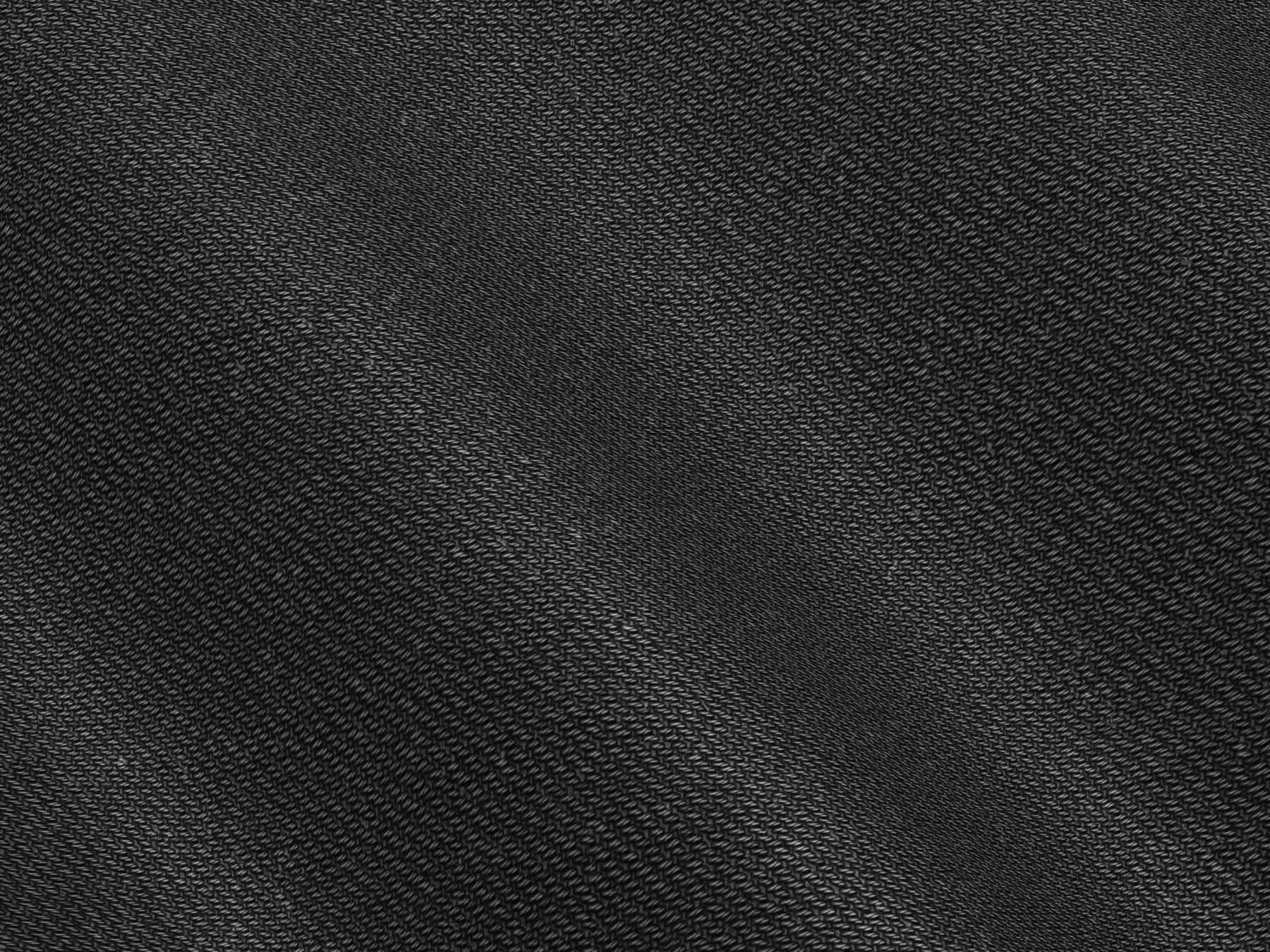
Polycotton Twill
The default workwear cloth — a polyester/cotton diagonal weave that balances abrasion resistance, colour retention and easy care.
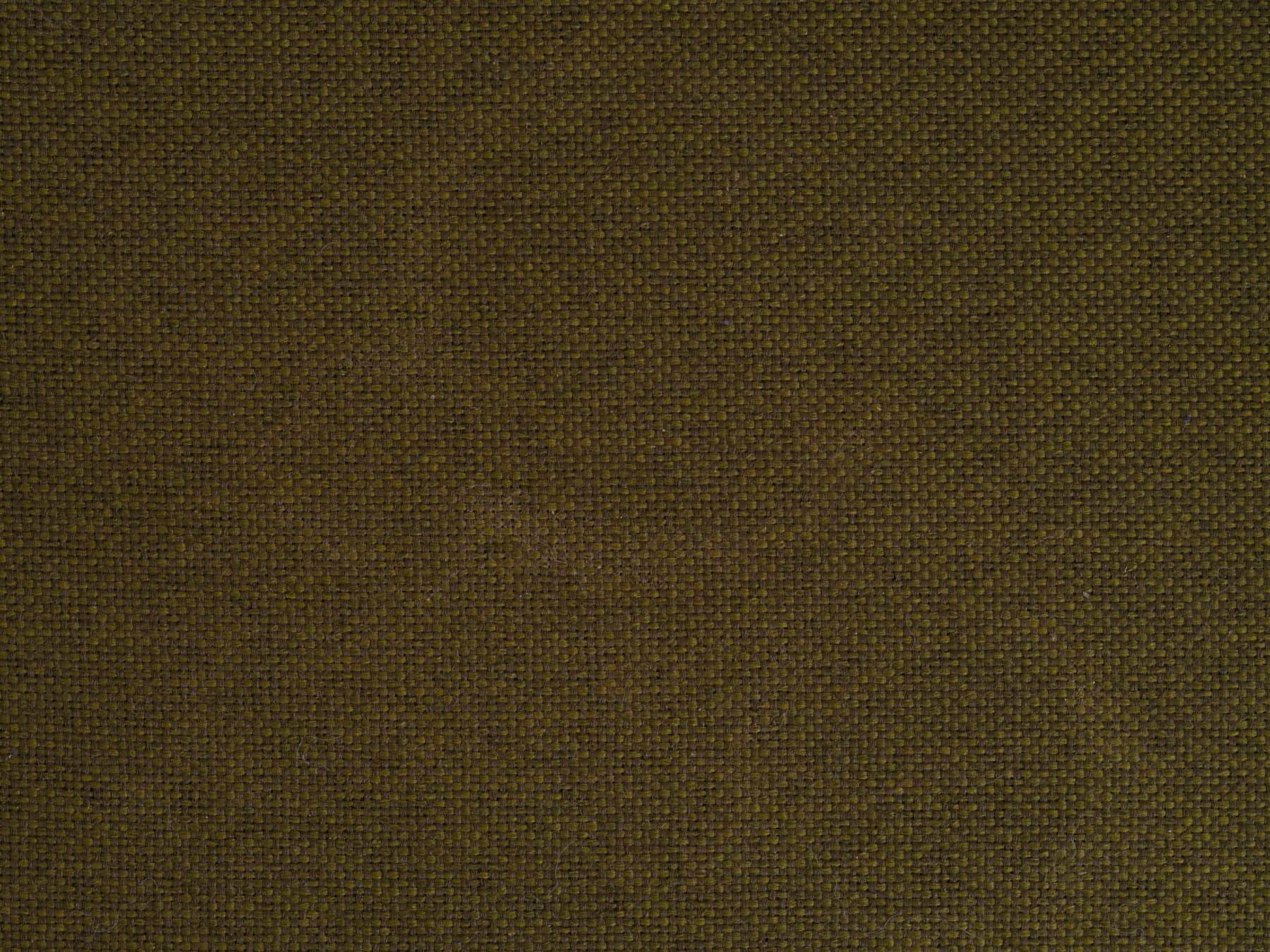
Cotton Drill
A heavy, all-cotton twill for trousers and workwear where comfort and a natural hand matter more than colour retention.
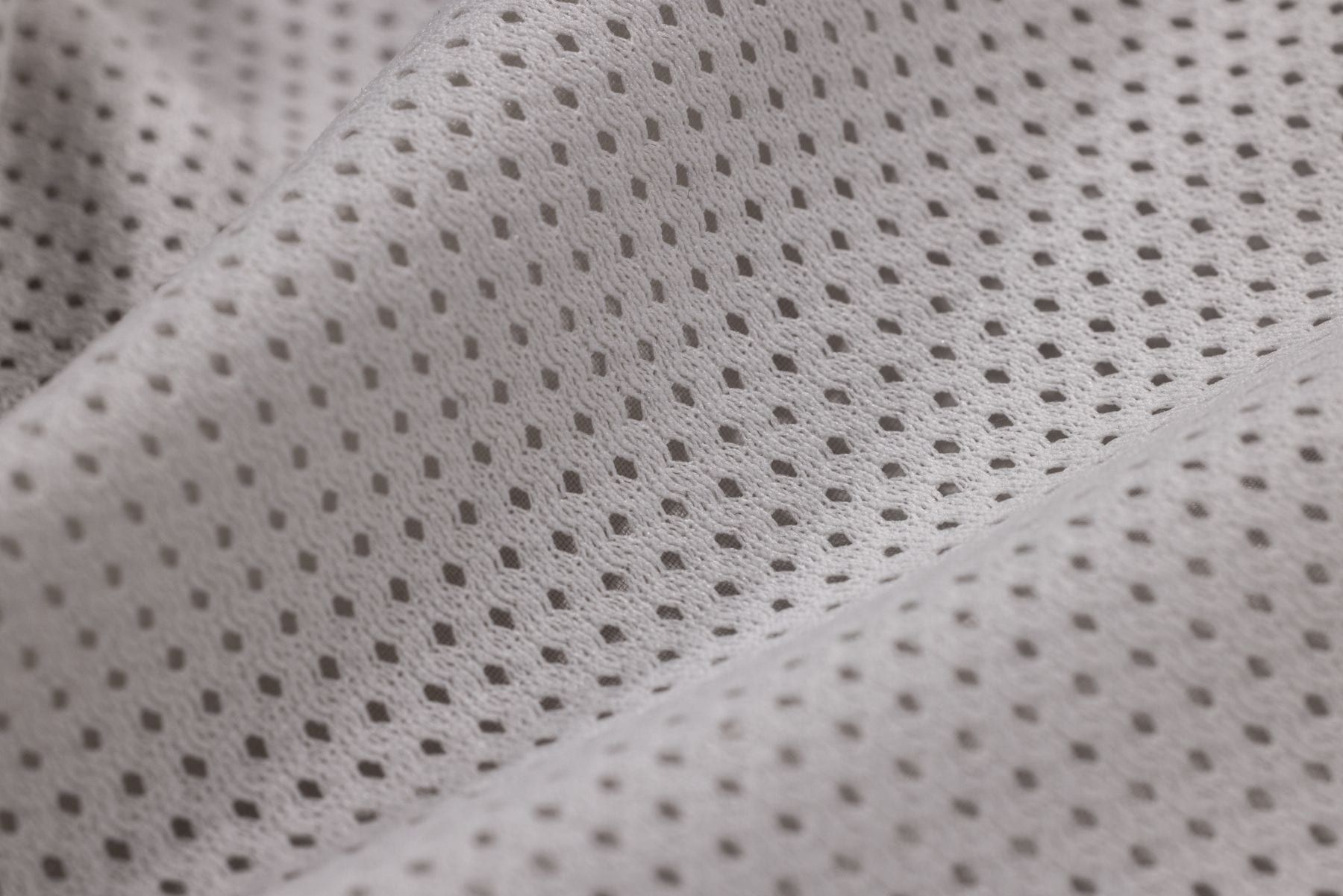
Poplin
A smooth, fine plain weave for corporate, hospitality and front-of-house shirts where a crisp, clean appearance matters most.
Piqué
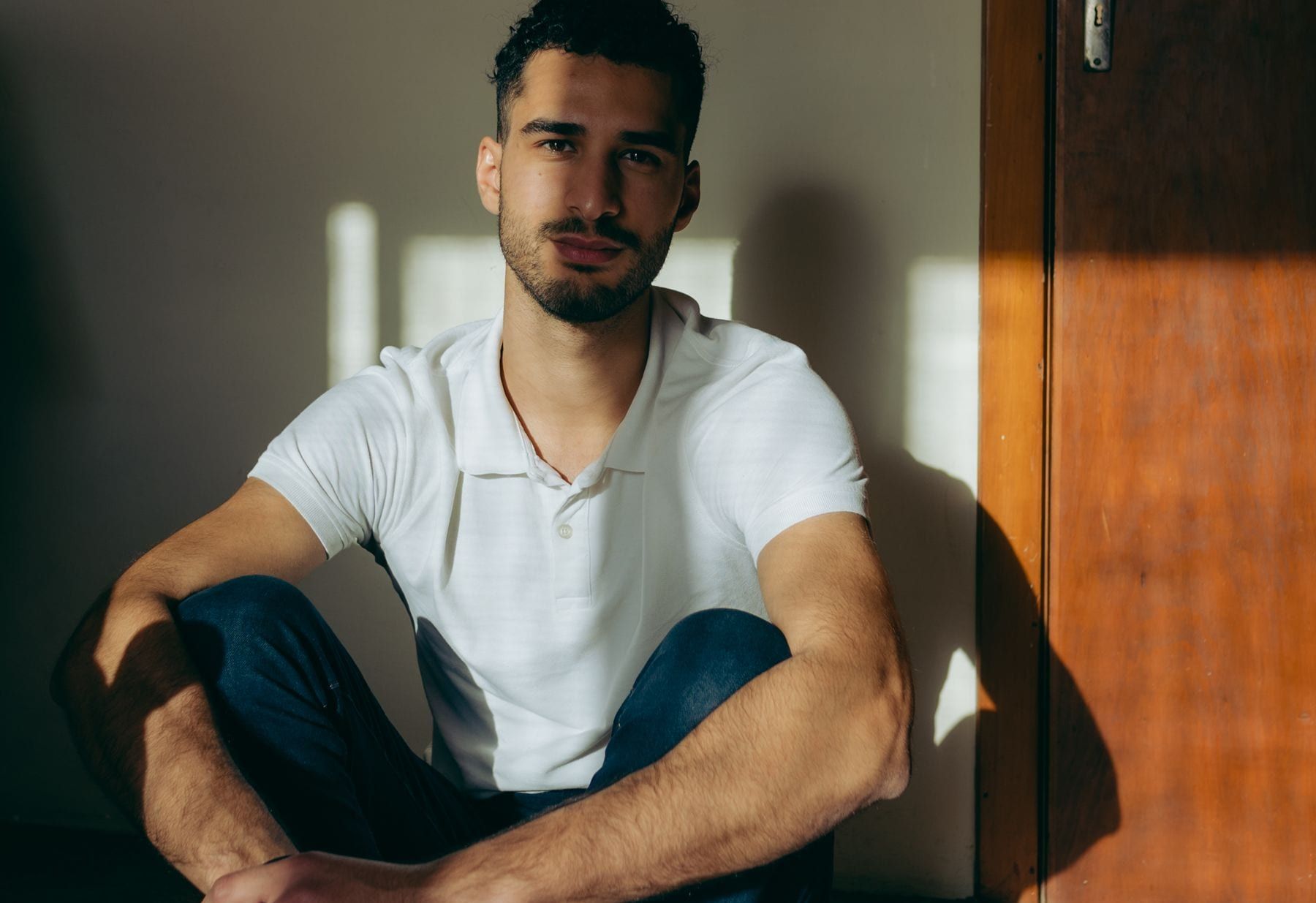
The textured knit behind most uniform polo shirts — breathable, forgiving of wear and a natural base for an embroidered logo.
§ 04Customization
What you can change
- Shirt fabric from poplin or oxford in long or short sleeve
- One lab dip standard per colour across shirts and vests
- Contrast binding or pocket facing in a second colour
- Men's, women's or unisex shirt blocks with separate charts
§ 05Logo & Branding
Your logo, your labels
- Logo embroidery on the shirt chest and vest chest, with a stitch-out on each fabric
- Woven main label and care label in every garment stating the wash temperature
- Embroidered name or a badge loop on the shirt
- Outlet-specific logos and labels where a group runs several restaurant brands
- Packing by outlet with a branded polybag
§ 06Sampling
From brief to sealed sample
- Sampling starts from your tech packs, the shirts your staff wear now, or our blocks
- Fabric swatch and lab dip approved on each cloth before cutting
- Garment sample washed at the temperature you specify to check colour and shrinkage
- Shirt fit sample checked for reach with the arms raised and extended
- Sealed set retained here with a duplicate sent to you
§ 07Quality Control
What gets checked
- Shirt and vest fabrics checked side by side against the lab dip before cutting
- Pocket placement measured per lot
- Shirt sleeve set and collar alignment checked in-line
- Embroidery position and outlet logo checked per lot
- AQL inspection per outlet before packing
Minimum Order QuantityMOQ
Minimum order starts at 100 pcs per style; exact MOQ is quoted per project. A stock-colour polo and a custom-dyed twill in three department colours are not the same commitment, so the exact minimum for your programme is confirmed in the quotation rather than published as one number.
§ 08Manufacturing Process
How a restaurant uniforms order runs
The stages your order passes through, in order. Each one has its own page.
01
Logo Embroidery & Printing
Logo embroidery, screen print, heat transfer and DTF for uniforms. Digitising, stitch count, placement standards and per-employee name embroidery explained.
Read →
02
Private Label Uniforms
Private label uniform manufacturing from Dongguan. Your logo, labels and thread colour applied consistently across shirts, polos and jackets.
Read →
03
Sample Development
Uniform sample development: fit samples per gender, a laundered size-set sample and a signed pre-production sample before any bulk cutting starts.
Read →
04
Labels, Name Badges & Packaging
Size labels, care labels, woven brand labels, name badges and department tags for uniforms, plus per-employee polybags and cartons packed by location.
Read →
05
Bulk Production
Bulk uniform production: cut plan by size ratio, fabric colour continuity, in-line checks and re-orders for new starters against retained patterns.
Read →
§ 09By Buyer Situation
Specialised restaurant uniforms programmes
The same factory and the same sealed-sample standard, scoped to one buyer situation at a time.
- Custom Restaurant UniformsFor venues and groups commissioning custom restaurant uniforms as one range, with the branding carried consistently across every garment.
- Waiter and Waitress Uniforms Made for ServiceFor venues buying coordinated waiting-staff shirts, blouses and bottoms with proper men's and women's fits.
- Restaurant T-Shirts and Polo ShirtsFor casual restaurants, cafés and catering crews buying restaurant t-shirts and polos — one branded top per shift instead of a formal shirt.
- Fine Dining Server Uniforms for Front of HouseFor fine dining rooms where the server's uniform is part of the table setting — quiet colours, sharp lines, no visible compromise.
- Café, Barista & Coffee Shop UniformsFor coffee shops, café chains and roasteries dressing counter staff in branded tees and polos, washed hot and often.
- Fast Food and QSR Staff UniformsFor quick-service operators buying durable, low-cost-per-head crew kits that tolerate high turnover and hot washes.
- Bartender Uniforms for Bars and PubsFor pubs, cocktail bars and taprooms buying bartender uniforms built for counter work, glass collecting and long late shifts.
- Host and Hostess UniformsFor restaurants dressing greeters a step above the floor team while keeping one visible colour standard.
- Black Server Uniforms That Stay BlackFor venues running the classic all-black floor look who need every garment — and every reorder — to be the same black.
- Restaurant Manager and Supervisor UniformsFor venues dressing managers a visible step above the floor team without leaving the restaurant's palette or its wash cycle.
- Food Truck and Market Stall Staff UniformsFor street food traders, food trucks and market stalls needing a small, hard-wearing branded kit for tiny crews.
- Restaurant Uniform Ideas & Design ServiceFor owners and groups collecting restaurant uniform ideas who need a factory to turn the look into patterns, samples and production.
- Waiter Waistcoats and Formal Service WearFor venues adding waistcoats and formal pieces to the floor set — the sharpest tier of restaurant service wear.
§ 10FAQ
Restaurant Uniforms — common questions
Frequently asked21 Q
What is your minimum order quantity for custom uniforms?
Minimum order starts at 100 pcs per style; exact MOQ is quoted per project. The figure depends on the fabric, colour and level of customisation involved, so send us the style, quantity and branding you have in mind and we will confirm the MOQ in the quotation.
How long does bulk production take?
Bulk production typically takes 25–30 days after the sample is approved and the order is confirmed. The exact schedule depends on fabric availability, order quantity and the amount of embroidery or printing per garment, and is confirmed in the quotation; we update you at fabric arrival, cutting and final inspection.
What logo file format do you need?
Vector files (AI, EPS or PDF) are preferred because they scale cleanly for both embroidery and printing. A high-resolution PNG is acceptable, as we can digitise it for embroidery, but small text and fine lines may need to be simplified. Please also send Pantone references or a physical colour swatch so thread and ink colours can be matched.
Do you make hi-vis, flame-retardant or certified protective clothing?
No. We do not manufacture certified PPE such as EN ISO 20471 hi-vis, flame-retardant, arc-flash or NFPA/ANSI-rated garments. What we do make is everyday workwear and uniforms, including corporate, hotel, restaurant, chef, housekeeping, retail and school uniforms, all with your branding applied.
Can we mix sizes and colours within the minimum order?
Mixing sizes within one style is normal and does not affect the MOQ. Mixing colours is usually possible too, but each colour needs its own fabric lot, so the per-colour quantity may be subject to a minimum. Minimum order starts at 100 pcs per style; exact MOQ is quoted per project, including any per-colour split.
How much does a sample cost and how long does it take?
Sampling typically takes 7–15 days once the fabric, logo and fit details are agreed. Sample cost is quoted per project, as it depends on whether the fabric is in stock, how many logo positions are involved and how many styles you need. Sample charges are commonly offset against the bulk order once it is confirmed, and this is stated in the quotation.
Should our logo be embroidered or printed?
Embroidery is the usual choice for polos, shirts and chef coats because it withstands repeated laundering and reads as more formal. Printing (screen or heat transfer) suits large-area artwork, fine gradients or lightweight fabrics where stitching would be heavy. Many customers use embroidery on the chest and printing for back panels or slogans, and we will advise which method suits each position.
Can you embroider individual staff names or add name badges?
Yes. We can embroider each employee's name directly on the garment from a list you supply, or add a badge holder, Velcro patch or removable name tag if staff change frequently. Per-name embroidery is priced per garment and needs the final name list before production starts, so it is confirmed in the quotation.
Can uniforms be colour-coded by department or role?
Yes. Colour coding is commonly done with different body colours, contrast collars or piping, sleeve tape, or a coloured department label at the chest or hem. Each colour variant is treated as a separate fabric lot, so let us know the department split when you request a quote and we will confirm minimums per variant.
Which fabrics do you keep in stock and which do you source to order?
We regularly run polycotton twill, cotton drill, pique, oxford, poplin, polyester-spandex, gabardine and fleece or softshell, and standard colours in these are usually available quickly. Special colours, weights or finishes are sourced to order from our mills, which adds fabric lead time that is confirmed in the quotation. Send us a swatch or a reference garment and we will tell you which route applies.
Can you match a Pantone colour across different fabrics?
We can lab-dip to your Pantone reference, but the same colour will look slightly different on a cotton twill, a polyester pique and a softshell because each fibre takes dye differently. For a multi-garment uniform programme we recommend approving a lab dip for each fabric together so the set reads as one colour family. Approved lab dips are kept on file for re-orders.
Will the uniforms hold up to industrial laundering?
Polycotton twill, cotton drill and polyester-rich fabrics are the usual choices for garments that go through commercial laundries, and we specify fabrics and threads accordingly. On request we wash-test the sample and report colourfastness and shrinkage before you approve it. Tell us your laundering method and temperature when you enquire so we can select fabric and construction to suit.
Do you offer wrinkle-free or easy-care finishes?
Yes. Easy-care finishes are available on poplin, oxford and polycotton twill for shirts and trousers, and polyester-blend fabrics naturally resist creasing. The finish is confirmed on the sample so you can check the hand feel, and any additional fabric cost is shown in the quotation.
Can we re-order small top-up quantities for new staff?
Yes. Repeat orders are made against your sealed sample and the approved lab dips, so new garments match the original run. Top-up orders are subject to minimums quoted per project, and reserving fabric from the first run can make small repeats easier, so mention expected staff turnover when you place the initial order.
Can you pack uniforms per employee by name and size?
Yes. We can bag each employee's garments together, label the pack with name, department and size, and carton them by site or branch so your team can hand them out without re-sorting. We need the distribution list before packing starts, and any extra packaging cost is confirmed in the quotation.
Can you produce uniforms under our own brand with our labels?
Yes. We work OEM/ODM and can sew in your woven or printed main labels, size and care labels, hangtags and branded packaging so the finished garment carries your brand rather than ours. Send label artwork or existing label samples and we will source or produce them to match.
How do you check quality during production?
Fabric is inspected on arrival for shade and defects, then a pilot run from bulk is measured and compared with the sealed sample before cutting continues. During sewing, inline checks cover seams, logo placement and measurements, and a final inspection is carried out on finished garments before packing. You are welcome to appoint a third-party inspection company, and we will arrange access.
Do you work with uniform distributors and brands?
Yes. A large part of our production is for uniform distributors and workwear brands who resell under their own labels. We can hold approved samples and lab dips on file, run repeat programmes for their end customers and ship blind or with the distributor's own packaging and documentation.
Do you make school uniforms with children's sizing and school crest embroidery?
Yes. We produce school polos, shirts, skirts and trousers graded across children's sizes by age or height, and embroider the school crest to your artwork. Blazers and jackets can be added to the same programme. Because school orders cover many sizes in small quantities, send the size breakdown early and we will confirm the MOQ per style in the quotation.
What information should we send to get a quote?
Send the garment types, approximate quantity per style, preferred fabric or a reference garment, logo artwork with placement, and the destination country. If you have a size breakdown, a target price or a required delivery date, include those too. With this we can return a quotation covering price, MOQ, sample terms and lead time.
Do you ship worldwide, and which Incoterms do you use?
Yes. We ship to customers worldwide by sea, air or courier depending on the quantity and urgency. The shipping terms (for example EXW, FOB or CIF) and any freight estimate are agreed with you and confirmed in the quotation, and we can work with your own forwarder if you prefer.
Request for quotation
Ready to develop your restaurant uniforms?
Send your logo, an existing garment or your dress code and headcount — we will come back with a manufacturing plan and quotation.
What to sendRFQ
- 01Logo file (AI / PDF / PNG)
- 02Styles and colours
- 03Quantity per style
- 04Size range or headcount
- 05Deadline and destination
Minimum order starts at 100 pcs per style; exact MOQ is quoted per project.